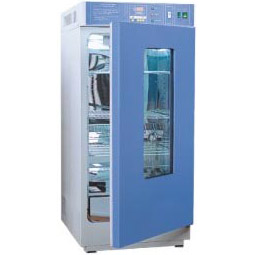
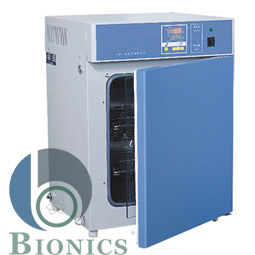
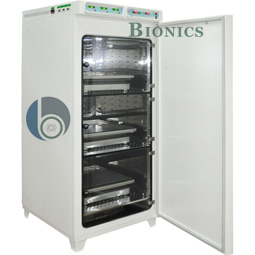
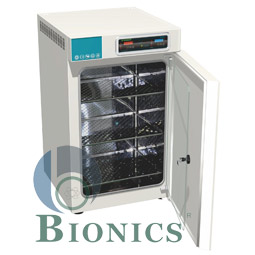
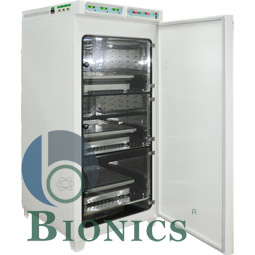
A CO2 incubator is a controlled laboratory chamber designed to maintain suitable temperature, humidity and carbon dioxide levels for cell culture and tissue culture applications. These conditions help support a stable environment for research, pharmaceutical, biotechnology and medical laboratory work.
CO2 incubators are commonly used in cell culture laboratories, tissue engineering, in vitro research and other applications that require controlled atmospheric conditions. Bionics Scientific offers different CO2 incubator configurations for laboratory and research requirements, including air-jacketed, water-jacketed, mini, shaker and UV-equipped models.
CO2 Incubator Features
Bionics Scientific manufactures CO2 incubators for cell culture, research and laboratory applications. Different models are available with features such as temperature control, CO2 monitoring and injection, alarm systems, programmable controls and chamber configurations selected according to application requirements.
Depending on the model and configuration, additional options may include IR-based CO2 sensing, door-opening alarms and contamination-control features. Available specifications and optional features can vary between CO2 incubator models.
Types of CO2 Incubators
CO2 incubators are available in different configurations based on heating method, chamber capacity and application requirements. Common configurations include air-jacketed or direct-heat systems and water-jacketed systems.
-
Air-Jacketed / Direct-Heat CO2 Incubators:
These systems use heating elements around the chamber to maintain controlled and uniform temperature conditions. Their compact construction makes them suitable for routine cell culture and laboratory applications.
-
Water-Jacketed CO2 Incubators:
These models use a water-filled jacket around the chamber to provide thermal stability. The stored thermal mass can help maintain chamber temperature during short-term temperature fluctuations or interruptions.
Other configurations available for specific laboratory requirements include mini CO2 incubators, orbital shaker CO2 incubators and models equipped with additional contamination-control features.
Choosing a CO2 Incubator
When selecting a CO2 incubator, consider chamber capacity, temperature control, CO2 sensing and regulation, humidity management, alarm functions, contamination-control features and available laboratory space. The suitable configuration depends on the type of cell culture, research workflow and required operating conditions.
CO2 incubator price in India varies according to model, chamber size, control system and optional features. For application-specific requirements or customized configurations, users can request a quotation based on the required specifications.
For general guidance on cell culture conditions, CO2 levels and culture media,
refer to the
ATCC Animal Cell Culture Guide
.
Frequently Asked Questions (FAQs):
What is a CO₂ incubator?
A CO₂ incubator is a laboratory chamber designed to maintain controlled temperature, carbon dioxide concentration and humidity conditions for cell and tissue culture applications. Required operating conditions depend on the cell type, culture medium and laboratory protocol.
How does a CO₂ incubator work?
A CO₂ incubator uses heating, CO₂ injection and sensor-based controls to maintain selected environmental conditions inside the chamber. Humidity management depends on the design and configuration of the incubator.
Why are many cell cultures maintained near 37°C?
Many mammalian cell cultures are maintained near 37°C because this temperature approximates normal human physiological temperature. However, the correct temperature depends on the specific cell line and culture protocol.
Why is CO₂ used in cell culture incubators?
CO₂ is commonly used with bicarbonate-buffered cell culture media to help maintain the required medium pH. Around 5% CO₂ is common for many mammalian cell culture protocols, but the required concentration depends on the medium and application.
What is the difference between air-jacketed and water-jacketed CO₂ incubators?
Air-jacketed or direct-heat incubators use heating elements around the chamber, while water-jacketed incubators use a surrounding water-filled jacket as thermal mass. The suitable design depends on laboratory workflow, installation and operating requirements.
How is CO₂ concentration monitored in an incubator?
CO₂ concentration is monitored by the incubator's sensor and control system. Depending on the model, IR-based CO₂ sensing may be used. Independent verification can also be performed with a calibrated CO₂ analyzer according to laboratory procedures.
How can contamination risk be reduced in a CO₂ incubator?
Good aseptic technique, prompt cleaning of spills, proper humidity-system maintenance and minimizing unnecessary door openings can help reduce contamination risk. Cleaning and maintenance should follow the incubator manufacturer's instructions and laboratory SOPs.
What factors affect CO₂ incubator price in India?
CO₂ incubator price in India depends on chamber capacity, heating design, CO₂ sensing and control system, alarm functions, contamination-control features and optional configurations. An exact quotation depends on the selected model and specifications.
Looking for a CO2 Incubator?
Choose a CO2 incubator based on your required chamber capacity,
cell culture application and laboratory specifications. Contact
Bionics Scientific for model selection, customization and pricing.
Request a Quote