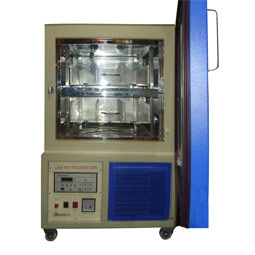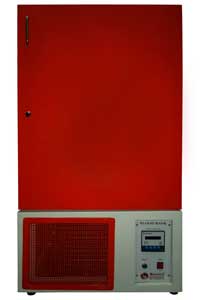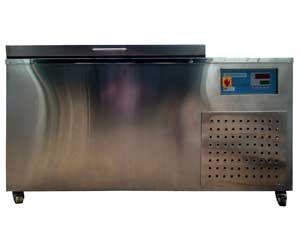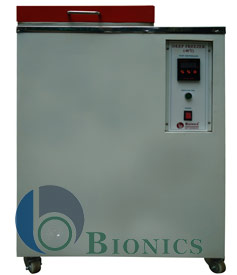
Laboratories often need more than a standard refrigerator. Blood products, medicines, reagents and research samples may each have their own storage requirements. Bionics Scientific supplies laboratory refrigerators and freezers for these different applications. The range includes equipment for general laboratory storage as well as purpose-built options for blood banks and other specialist uses. Features such as digital controls, alarms and temperature monitoring vary by model, so buyers can check the relevant product details before choosing a unit.
The right configuration depends on where the unit will be installed and what needs to be stored in it. Bionics Scientific offers different refrigerator and freezer models, with options that may include under-counter, bench-top, chest and upright designs. Capacity, door arrangement, temperature range and control features differ between products. If a standard model does not match your requirement, contact the team to discuss whether a suitable configuration is available. Please confirm warranty and service terms for the model you are considering.
A laboratory refrigerator keeps selected materials within a controlled temperature range during storage. It is used in places such as hospitals, blood banks, pharmaceutical facilities and research laboratories. The type of unit matters: a refrigerator intended for routine laboratory materials may not be suitable for blood storage or vaccine programmes. Before choosing one, consider what will be stored, the temperature required and whether monitoring or alarms are needed. Some applications may call for a dedicated freezer rather than a refrigerator.
There is no single temperature setting that suits every laboratory refrigerator. The correct range depends on the material and the instructions that apply to it. Check the storage guidance for the specific medicine, sample or blood component, then compare it with the operating range stated for the equipment. Where a healthcare or laboratory protocol applies, follow that protocol rather than relying on a general temperature recommendation.
Before ordering, review the product datasheet carefully. Pay particular attention to the operating range, temperature uniformity, recovery performance, alarms and monitoring options. These specifications are not the same across all models.
These units are used in several kinds of facilities, but the reason for using them can differ from one site to another. The examples below show where laboratory refrigerators and freezers may be used; the final choice should always match the material and its storage instructions.
Hospitals may need separate refrigeration arrangements for blood products, medicines and laboratory materials. The equipment should be chosen for the particular item being stored and the procedures followed by the facility.
Blood banks handle materials that cannot all be stored in the same way. Whole blood, individual components and plasma have specific storage requirements, so the refrigerator or freezer must be suitable for the intended component.
In pharmaceutical facilities, refrigerators may be used for medicines, formulations and reagents that need controlled storage. The product label or approved storage protocol should determine the required conditions.
Diagnostic and pathology laboratories may store selected specimens, reagents and testing materials under controlled conditions. Staff should check the storage instructions for each item before assigning it to a refrigerator or freezer.
Universities and research teams work with many kinds of samples and experimental materials. Their storage needs can vary considerably, which is why the required temperature, sample type and storage period should be considered before selecting equipment.
A refrigerator and a freezer are not interchangeable. A laboratory refrigerator is used when a material needs chilled storage, while a laboratory freezer is selected when the storage procedure calls for frozen conditions. The required temperature is determined by the material and its approved storage instructions, not simply by the name of the equipment.
For example, routine reagents or certain medicines may require refrigerated storage, while some research samples need frozen or ultra-low temperature storage. Blood components also have specific storage requirements, so the equipment must be selected for the particular component and the applicable procedure. Check the required range against the product datasheet before making a decision.
A product name alone is not enough to confirm whether a unit will suit your laboratory. Ask for the technical datasheet and review the details that matter to your application. Depending on the model, useful points to check include:
Not every feature is available on every model. Request written confirmation of the specifications and options included in the quotation.
Correct equipment selection is only one part of reliable storage. The laboratory should also follow its own approved handling and monitoring procedure. Keep stored materials identified, avoid overloading shelves, and arrange items so that air can circulate as intended by the equipment manufacturer. Limit unnecessary door opening and record temperatures at the intervals required by the facility's procedure.
If a temperature alarm occurs or a unit stops working, follow the laboratory's documented contingency procedure for the stored material. Do not assume that the contents remain usable; assess them according to the relevant product instructions and site protocol.
Start with the material you need to store and the conditions it must be kept under. Then compare those requirements with the specifications of the available models. These checks can help narrow down the options.
Check the storage instructions for the material first. The operating range in the product datasheet must cover the temperature your application requires.
Think about how much you need to store now and whether that amount is likely to change. Check the usable capacity, shelf arrangement and space needed to place or remove items comfortably.
Do not choose a unit based on its name alone. Check that it is intended for the material you plan to store, whether that is blood, plasma, vaccines, medicines, reagents or research samples.
Decide which monitoring features your procedure calls for. Depending on the model, these may include a digital display, alarms or data logging. Confirm that the features you need are included in the specific unit.
Measure the installation area before ordering. Check the unit's dimensions, door clearance and ventilation needs, then consider whether an upright, chest, under-counter or bench-top design will work best in that space.
Ask about routine maintenance, warranty coverage and the process for requesting technical support. Confirm these details for the exact model before placing an order.
To help identify a suitable model, include a few details in your enquiry:
Sharing these details at the enquiry stage makes it easier to discuss the relevant product and confirm its specifications before purchase.
The products in this range do not all perform the same job. Use this table as a starting point to identify the category that may fit your application, then check the individual product page for model details.
| Equipment Type | Primary Application | Important Selection Considerations | Product Details |
|---|---|---|---|
| General Purpose Laboratory Refrigerator | Routine laboratory materials, reagents and suitable samples | Temperature range, capacity, cabinet design and monitoring | View Product |
| Blood Bank Refrigerator | Blood storage applications | Required storage conditions, temperature monitoring and alarms | View Product |
| Ice Lined Refrigerator | Vaccine and medical cold-chain applications | Required temperature conditions, holdover performance and monitoring | View Product |
| Laboratory Deep Freezer | Frozen storage of laboratory materials | Required freezing temperature, capacity and storage duration | View Product |
| Blood Plasma Freezer | Blood plasma and related component storage | Specified plasma storage temperature and monitoring requirements | View Product |
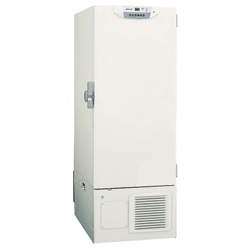
| Ultra Low Temperature Freezer | Specialized ultra-low temperature sample storage | Required low-temperature range, alarms and backup provisions | View Product |
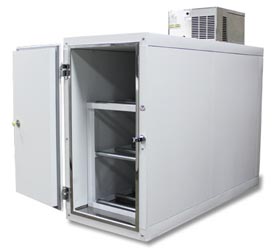
| Mortuary Freezer & Chamber | Mortuary and body preservation applications | Chamber capacity, configuration and operating requirements | View Product |
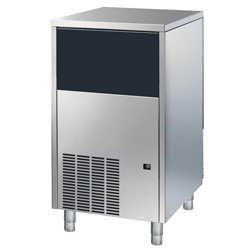
| Ice Flaker Machine | Flake ice production for suitable laboratory and process applications | Ice production capacity and installation requirements | View Product |
| Lyophilizer Machine | Freeze-drying and lyophilization processes | Sample requirements, chamber capacity and process configuration | View Product |
The table is a broad guide, not a substitute for product specifications. Temperature range, capacity and included features can differ between models, so check the relevant datasheet before deciding.
Bionics Scientific's range covers several laboratory refrigeration and freezing requirements. Products listed on this page include general-purpose laboratory refrigerators, blood bank refrigerators, ice-lined refrigerators, deep freezers and other specialist equipment. Each type serves a different purpose, so buyers should compare the product specifications with their own storage needs.
The configuration to consider will depend on the space available and the way the equipment will be used. Depending on the product, options may include different capacities, temperature ranges, control systems and cabinet styles. Check the individual model page or speak with the team to confirm which configurations are available.
If you are unsure which model is appropriate, share the material to be stored, the required temperature and the capacity you have in mind with the Bionics Scientific team. Ask for the relevant datasheet and confirm the available features, warranty and service terms for that product before ordering.
To learn more about the company, visit About Bionics Scientific or contact the team through the Contact Us page.
You can browse the laboratory refrigerator and freezer range to compare equipment for different storage needs. Product pages are available for options such as the Blood Bank Refrigerator , Ice Lined Refrigerator , Laboratory Deep Freezer , Blood Plasma Freezer and Ultra Low Temperature Freezer .
For specialized equipment, explore the Mortuary Freezer and Chamber , Ice Flaker Machine and Lyophilizer Machine .
To discuss a product, send the team your application, required temperature range and approximate storage capacity. This will help them identify a relevant model and provide the information needed for a quotation.
A laboratory refrigerator stores medicines, reagents, samples and other materials that require controlled refrigerated conditions.
A refrigerator provides chilled storage, while a freezer maintains frozen conditions. The choice depends on the storage requirements of the material.
A blood bank refrigerator is designed for blood storage applications. Check its temperature range, monitoring and alarm specifications against your blood bank's requirements.
An ice-lined refrigerator is commonly used in vaccine and medical cold-chain applications. Its documented performance must meet the required storage conditions.
Consider the required temperature, stored material, capacity, monitoring features, cabinet design and available installation space.
Check the temperature range, uniformity, digital controls, alarms, monitoring options, storage capacity and warranty terms.
Capacity and cabinet configurations vary by model. Check the individual product specifications to find a unit that matches your storage needs.
Contact Bionics Scientific with your application, required temperature range and storage capacity to discuss a suitable model and request a quotation.
May this festival of lights bring happiness, prosperity and success to you and your organization. Wishing you brighter ideas, new opportunities and continued growth.