
Laboratory Meters
Laboratory Meters for Accurate Testing and Measurement
Bionics Scientific offers a range of laboratory meters for measuring and analysing important parameters in laboratory, water testing, environmental monitoring and industrial applications. Our product range includes portable pH meters, conductivity meters, EC and TDS testers, turbidity meters, dissolved oxygen meters and ion concentration meters.
These instruments are used to measure different water quality parameters, including pH, electrical conductivity, total dissolved solids (TDS), turbidity, dissolved oxygen and specific ion concentrations. Selecting the appropriate meter depends on the parameter being tested, sample type, measurement range and application requirements.
Our laboratory meter range also includes photo colorimeters for colour measurement applications. Explore the product categories below to compare available instruments and identify a suitable option for your testing requirements.
For product specifications, pricing and technical details, contact Bionics Scientific at info@bionicsscientific.com or call +91 9111161955.


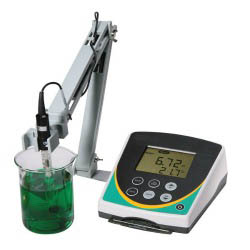
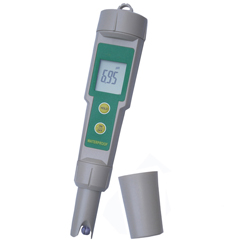


Types of Laboratory Meters and Their Functions
Different laboratory meters are designed to measure specific physical and chemical parameters. The following instruments support water testing, sample analysis and laboratory measurement activities.
1. pH Meters
pH meters are used to measure the acidity or alkalinity of liquid samples. Portable pH meters and pen-type pH meters are useful for measuring pH in water and other suitable samples.
2. Conductivity and TDS Meters
Conductivity meters measure the electrical conductivity of a solution, while TDS meters estimate the total dissolved solids in water. These instruments are commonly used in water quality testing and monitoring.
3. Turbidity Meters
Turbidity meters measure the cloudiness of liquid samples caused by suspended particles. They are used in water quality assessment and environmental monitoring.
4. Dissolved Oxygen Meters
Dissolved oxygen meters measure the amount of oxygen dissolved in water. These measurements are useful in water analysis, environmental studies and aquatic monitoring.
5. Ion Concentration Meters
Ion concentration meters measure specific ions in a sample, such as fluoride, sodium and calcium. They are used when laboratories need to analyse particular ionic parameters.
6. Photo Colorimeters
Photo colorimeters are used to measure the colour intensity of a sample based on light absorption. They support colorimetric analysis in laboratory testing applications.
Applications of Laboratory Meters
Laboratory meters are used across different testing and analysis environments, depending on the instrument and measurement parameter.
- Water quality testing and monitoring
- Environmental sample analysis
- Research and educational laboratories
- Industrial water testing processes
- Measurement of pH, conductivity and dissolved solids
- Analysis of dissolved oxygen, turbidity and ion concentration
How to Choose the Right Laboratory Meter
Before selecting a laboratory meter, consider the following factors:
- Measurement parameter: Identify whether you need to measure pH, conductivity, TDS, turbidity, dissolved oxygen, ion concentration or colour.
- Sample type: Check whether the instrument is suitable for your liquid or other sample requirements.
- Measurement range: Review the instrument's specified measurement range against your testing needs.
- Portability: Consider whether a portable, handheld or laboratory-based instrument is appropriate for your application.
- Product specifications: Compare available specifications and operating requirements before making a selection.
Frequently Asked Questions About Laboratory Meters
What are laboratory meters used for?
Laboratory meters measure parameters such as pH, electrical conductivity, total dissolved solids (TDS), turbidity, dissolved oxygen and ion concentration in liquid samples.
What are the different types of laboratory meters?
Common types include pH meters, conductivity meters, TDS meters, turbidity meters, dissolved oxygen meters, ion concentration meters and photo colorimeters. Each instrument measures a specific parameter.
Which laboratory meter is used for water quality testing?
The required meter depends on the water quality parameter. pH meters measure acidity or alkalinity, conductivity and TDS meters assess dissolved ionic content, while turbidity and dissolved oxygen meters measure other water quality properties.
What is the difference between a pH meter and a conductivity meter?
A pH meter measures the acidity or alkalinity of a solution. A conductivity meter measures how well the solution conducts electrical current due to dissolved ions.
What is the difference between a TDS meter and a conductivity meter?
A conductivity meter measures electrical conductivity, while a TDS meter estimates the total dissolved solids in water. Many TDS meters use conductivity measurements to estimate TDS values.
How do I choose the right laboratory meter?
Select a laboratory meter based on the measurement parameter, sample type, required measurement range, testing environment and instrument specifications.
Can laboratory meters be used for industrial applications?
Yes, suitable laboratory meters are used for industrial water testing, process monitoring and sample analysis. The instrument must meet the application's measurement and operating requirements.
Where can I buy laboratory meters in India?
You can contact Bionics Scientific for laboratory meter product details, specifications and availability in India. Email info@bionicsscientific.com or call +91 9111161955 for enquiries.