A muffle furnace operating procedure provides the basic steps for safely preparing, loading, heating, cooling, and removing samples from a laboratory muffle furnace. The exact operating temperature, heating time, and sample handling procedure should be selected according to the material, test method, equipment instructions, and laboratory SOP.
Before operation, check the furnace chamber, crucibles, temperature controller, and electrical condition. During use, avoid exceeding the equipment’s rated temperature and follow appropriate precautions when handling hot crucibles and samples.
What is a muffle furnace?
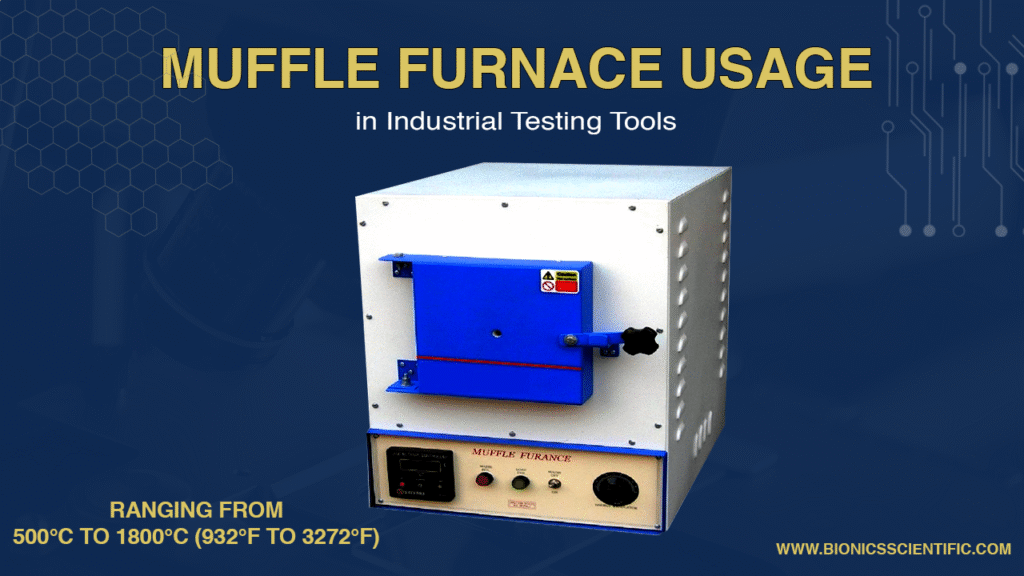
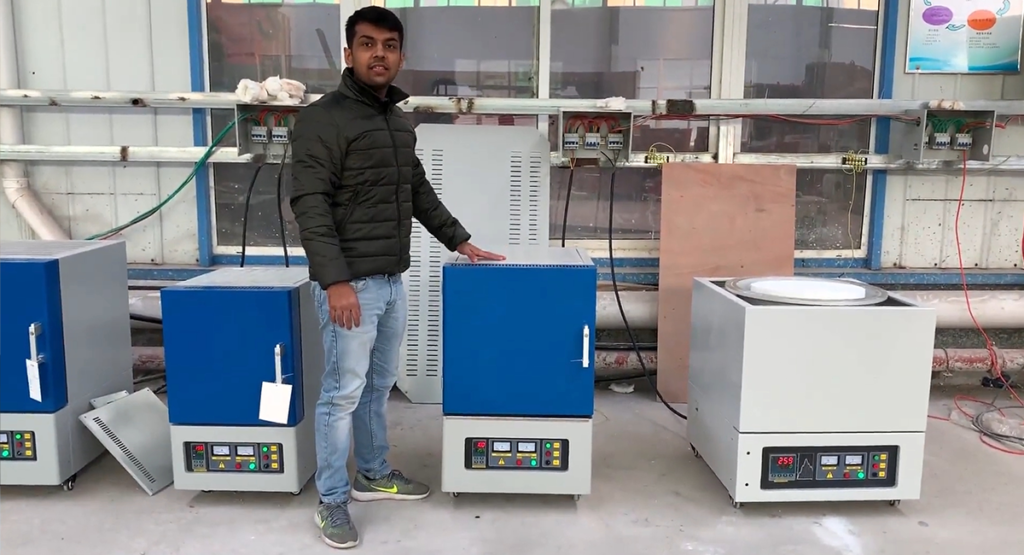
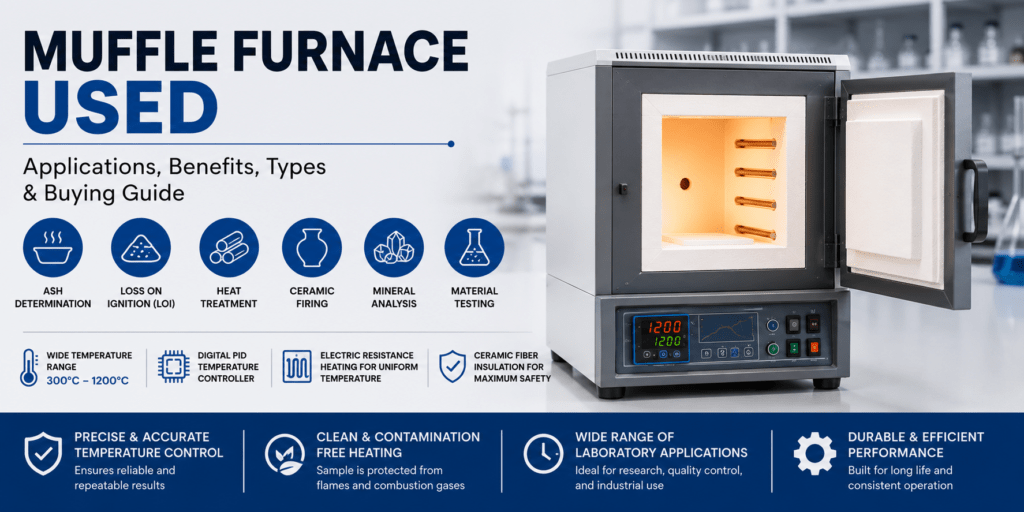
A muffle furnace is a high-temperature laboratory furnace used for controlled heating of samples in an insulated chamber. Modern laboratory muffle furnaces typically use electric resistance heating, temperature sensors, and digital controllers to maintain the required operating temperature. They are commonly used for ash determination, loss on ignition (LOI), heat treatment, ceramics, material testing, and other high-temperature laboratory applications.
Specifications of a Typical Laboratory Muffle Furnace
| Specification | Value |
| Range of Temperature | 300°C – 1200°C |
| Heating Source | Electric Resistance Heating |
| Temperature Control | Digital PID Controller |
| Accuracy of Temperature | ±1°C to ±5°C |
| Material of Chamber | Ceramic Fiber Insulation |
| Material of Heating Elements | Kanthal/Nichrome |
| Voltage Supply | 220 – 240V AC, 50/60 Hz |
| Capacity of Chamber | 2L to 30L (Depending upon the model) |
| Display | Digital LED / LCD Display |
| Uses | Ashing, Heat Treatment, LOI, Material Testing |
Note: The specifications can differ according to the manufacturer, model, capacity of chamber, and temperature range of operation.
Muffle Furnace Concept
The concept of the muffle furnace involves electric resistance heating. When electric current flows through the heating elements that have high resistance, the energy gets converted into heat. This heat distributes uniformly inside the insulated chamber, whereas the ceramic insulation keeps the heat loss at a minimal level. A thermocouple measures the temperature of the chamber, which is controlled by the PID controller for maintaining the desired temperature. As the sample does not come in direct contact with any flame or combustion product, no contamination occurs, and the accuracy of analysis increases. Muffle furnaces in the lab environment usually work within the range of 300°C to 1200°C.
Common Operating Temperature of Muffle Furnace
| Usage | Preferred Temperature |
| Drying of Lab Samples | 100-300°C |
| Removing Organic Material | 300-500°C |
| Determination of Ash Content | 550-600°C |
| Loss on Ignition (LOI) | 900-1000°C |
| Heat Treatment of Metals | 600-1100°C |
| Sintering of Ceramics | 1000-1200°C |
| Analysis of Glass and Minerals | 800-1100°C |
| Research at High Temperatures | Up to 1200°C |
Remark: It is necessary to select the operating temperature.
Operating Procedure for Muffle Furnace
Using a specific muffle furnace operating procedure helps to ensure safety and proper working of the laboratory experiment.
Preparation before Operation
Make sure that there is no dust or ash deposition in the chamber, insulation is intact, and there are no cracks in the crucibles. The electric supply, temperature control system, heating element, and thermocouple shall be in working order.
Set furnace to ON.
Plug in electricity and let the digital controller to power up properly. Check the controller for no flaws or warnings before use. Turn up the heat. Set the temperature according to laboratory practice. Increase the temperature gradually so as to lessen the heat discomfort. Heat up the chamber. Preheat the furnace to the desired temperature before placing the samples in the chamber.
Loading of samples
Put the clean, dry samples into porcelain or ceramic crucibles. Using heatproof tongs, place the crucibles into the furnace, allowing adequate space between them for equal heating. After loading the samples, quickly close the door.
Heating Cycle Monitoring
As the experiment is underway, check the temperature gauge, timer, and the controller. This is not desirable, as it may disturb the test and also reduce the heating duration. Frequent opening of the furnace door is not desirable.
Cooling and removal of the sample
When the heating cycle is complete, allow the furnace to cool slowly. Samples should be taken out when the boiler is cold enough to handle using heatproof tongs.
Shutdown Process
Turn off the temperature control first before turning off the main source of electricity. After the chamber has cooled down, clean out the ash, clean the chamber, and document the process in the lab notebook.
Safety Precautions
In writing the SOP for the muffle furnace operating procedure, the priority must always be the safety of the user at all times. Do not exceed the maximum recommended temperature since doing so will damage the crucible. Also, putting a sample that is wet inside the furnace will damage the crucible and affect the experiment’s result. It is advised not to keep any flammable material close to the muffle furnace and to wear heat-proof gloves while using this apparatus.
Calibration & Maintenance
It is essential to ensure that the equipment is accurate and lasts long, and temperatures must be monitored. When using it, it is important to remove any ash and debris from the heating chamber. It is important to monitor any wear and tear of heating elements, thermocouples, door seals, and insulation. The temperature controller may also be calibrated periodically for measurement accuracy according to ASTM testing standards.
Muffle Furnace Uses
The laboratory muffle furnace has various applications in the production of drugs, chemical laboratories, universities, metalworking, ceramics, cement analysis, food testing laboratories, environmental analysis, mineral analysis, glass production, and research institutions. Some of the applications of this machine include ash testing, loss on ignition test (LOI), gravimetric analysis, firing of ceramics, and heat treatment, among others.
Operating mistakes that need to be avoided:
There are quite a number of operational errors that might affect the effectiveness of the furnace. These are using wet samples, overloading of the furnace, opening of the furnace when it is in operation, using damaged crucibles, overheating beyond the required temperatures, not calibrating the furnace, and lack of maintenance of the furnace.
Conclusion
The proper operation of the muffle furnace operating procedure is critical for maintaining safety and achieving accurate results in the laboratory. Knowledge of the principle of the muffle furnace, using the muffle furnace standard operating procedure, and the maintenance of the instrument make it possible to achieve reliable functioning of the equipment without contaminating the samples during the process of heating. It does not matter whether the muffle furnace is used in the pharmaceutical, scientific, educational, or some other laboratory—its proper operation will ensure the accurate thermal treatment of samples.
Frequently Asked Questions (FAQs)
What is Muffle Furnace?
A muffle furnace is a high-temperature laboratory furnace for ash determination, heat treatment, material testing, and thermal analysis.
What is the principle of a muffle furnace?
A muffle furnace is an electrical resistance heating system which guarantees homogenous and pollution-free heating.
What is the usual method of working with a muffle furnace?
The procedure is inspection, preheating, setting temperature, loading sample, heating, cooling, unloading sample, and shutdown.
Why must we preheat muffle furnace before starting it?
Preheating is done to stabilize the chamber temperature and heat the sample properly.
What is the typical temperature range of a muffle furnace?
Most of the lab muffle furnaces are made to function in the temperature range of 300-1200 degrees Celsius depending on the application.
What safety measures should be taken?
Use PPE—wear tongs and heat-resistant gloves. No wet samples. Don’t exceed the recommended operating temperature.
What is the common use of muffle furnace?
It is used for ash testing, firing ceramics, heat treating metals, pharmaceutical testing, and material research.
What are the typical mistakes made when operating muffle furnaces?
Common mistakes are overfilling the chamber, opening the entrance too wide, using moist samples, and lack of upkeep.
How to increase the life of Muffle Furnace?
Follow the SOP suggested for the muffle furnace, clean the chamber regularly, calibrate periodically, and do the preventive maintenance.
Looking for an excellent lab muffle furnace?
Bionics Scientific is known as a well-reputed maker of lab muffle furnaces with excellent temperature control and even heating. If you have any inquiries about the goods or prices, please do let us know.