Autoclave Advantages: What Are the Benefits of Autoclaves?
Autoclave sterilizes laboratory materials, among others, using steam at high temperatures and pressures. The greatest strength of an autoclave is its ability to sterilize without any chemical byproducts.
However, sterilizing is not the only advantage. Other advantages of autoclave include faster processing, repeatable process, no contamination, versatility, longevity, among others.
In this article, you will learn about the top 10 benefits of autoclave, what autoclave is all about, how it works, the applications and limitations of autoclave, and more.
- Autoclave Advantages: What Are the Benefits of Autoclaves?
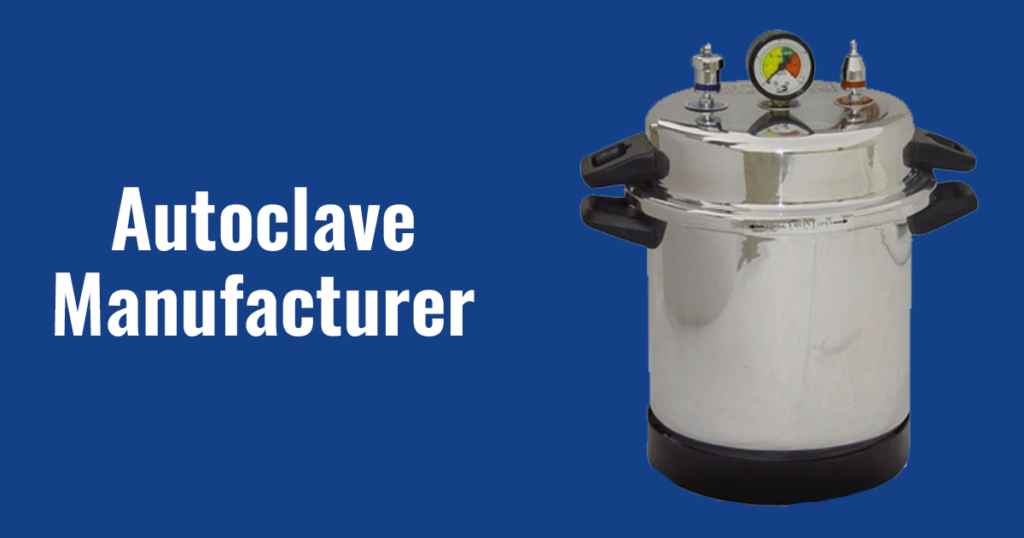
An Autoclave is a machine that uses a combination of steam pressure and high temperature to kill microorganisms. The name Autoclave may sound a bit complex but here the concept is very simple. Let’s think of it as a pressure cooker that is designed for science and industry. When steam is used at the right temperature and pressure for the required amount of time, an autoclave can effectively destroy bacteria, viruses, fungi, and resistant bacterial spores.
These autoclave benefits are one reason why steam sterilization remains a preferred choice in many industries.
Autoclave Benefits at a Glance
|
Benefit |
Why It Matters |
|
Reliable sterilization |
Helps destroy microorganisms on suitable loads |
|
Chemical-free process |
Uses steam rather than chemical sterilants |
|
Repeatable cycles |
Controlled temperature, pressure and time support consistent processing |
|
Versatile use |
Suitable for many heat- and moisture-resistant materials |
|
Contamination control |
Helps reduce microbial contamination |
|
Routine processing |
Supports regular laboratory sterilization |
|
Long service life |
Proper maintenance can extend equipment life |
|
Multiple applications |
Used in laboratories, healthcare, pharmaceuticals and other industries |
An autoclave is a piece of equipment that is used for sterilising instruments, solid or liquid media, and biological waste by keeping highly saturated steam under pressure. Contrary to boiling water, which only reaches up to 100°C, the autoclave can maintain much higher temperatures due to internal pressure. That additional heat allows the autoclave to destroy microorganisms that boiling water cannot eliminate effectively.
Nowadays, autoclave benefits are widely recognized in laboratories, hospitals, food factories, salons, and veterinary practices because they provide reliable sterilization and contamination control.
What Are the Benefits of an Autoclave?
Sterilisation becomes crucial where contamination can lead to harm. In a research laboratory, contaminated glassware/media can spoil months of experiments. In hospitals and clinical research nonsterilized surgical tools can spread infections. In the food industry, bacteria left behind during production can cause diseases in consumers.
According to the Centers for Disease Control and Prevention (CDC), steam sterilization is a widely used and dependable method for sterilizing materials that can tolerate heat and moisture. For effective sterilization, steam needs to reach the load at the right temperature and remain in contact with it for the required amount of time. This is why autoclaves are commonly used for suitable instruments, laboratory materials, and other sterilization loads.
This makes autoclaves the preferred sterilization solution for industries where safety and precision are critical.
How Autoclaves Work to Deliver Reliable Sterilization
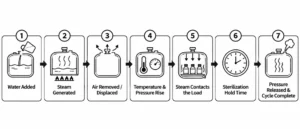
The basic principle of autoclaving is straightforward. Microorganisms are exposed to high-temperature steam for a controlled period of time, which helps achieve effective sterilization. The three main factors involved in the process are steam, temperature, and time. The three main elements that make it possible for this to happen are heat, pressure, and steam.
High Temperature
Autoclaves release the heat which is required for sterilization by boiling water inside a sealed chamber. Inside an Autoclave the sealed chamber lets temperatures rise higher than the normal boiling point. Most run at around 121°C, which is usually hot enough to destroy bacteria, viruses, and even tough spores. Some advanced models can go up to 135°C, giving an extra boost of sterilization power.
For example, in laboratories, 121°C is maintained for 20 minutes, which is generally enough to sterilize most glassware and media. However, larger volumes of liquid or bulky equipment may require higher temperatures.
High Pressure
Pressure is another key factor in an autoclave. Sealing the chamber and adding heat causes pressure to build up, allowing steam to remain in liquid form even at high temperatures. TPressure allows steam to reach the higher temperatures required for effective steam sterilization.
A typical laboratory autoclave operates at pressures that range from 0.019 to 0.212 MPa. This pressure enables sterilization at temperatures significantly higher than boiling water. Without pressure, steam would not be able to reach such high temperatures, and sterilization would not be as effective.
Steam Generation and Sterilization
The real power of an autoclave comes from steam. When pressurized steam comes into contact with surfaces such as instruments, glassware, and fabrics, it leads to the transfer of heat and, in turn, this energy kills the microbes, proteins, and breaks apart their cell membranes, making sure they are completely killed.
Other than dry heat, which works gradually and unevenly, steam spreads quickly and evenly throughout the chamber. This makes autoclave highly reliable in achieving complete sterilization in a very short span of time.
Sterilization Duration
The time which is required for autoclaving majorly depends upon the type of material, its varying size and whether it is wrapped or unwrapped. For standard laboratory loads, 121°C for 20 minutes is a commonly used guideline. However, fewer materials may require 30 to 60 minutes.
Advanced autoclaves like those from Bionics Scientific let the users choose sterilization temperatures ranging from 105°C to 135°C with cycle times anywhere from a few minutes up to 10 hours. They also come with easy features like delayed start timers and low temperature options, making it easy to customize the process to fit the different needs of Industries.
Components of an Autoclave
An autoclave may appear like a large metal box but inside the autoclave it contains various important segments that make sterilization possible.
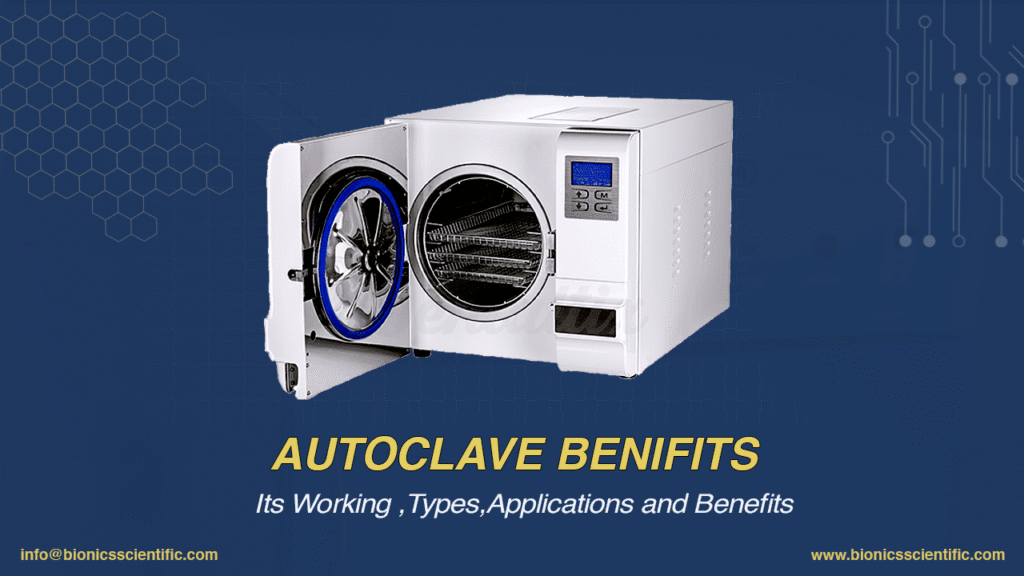
- Chamber: The Chamber is one of the main areas where items go for sterilization. It is built with durable stainless steel so that it can easily bear the high heat and pressure needed for the process.
- Heating system: Located at the bottom or sides, this heats the water to produce steam.
- Pressure control valves: These maintain safe levels of pressure and prevent accidents from excess heating.
- Water reservoir: This stores the water that gets converted into steam.
- Control panel: Allows users to set temperature, time, and sterilization cycle. Advanced autoclaves perhaps have digital screens and programmable options.
- Safety mechanisms: Including automatic shut-off, pressure release valves, and alarms to protect the user.
Altogether, above all these components, make the autoclave both safe and effective for different uses.
Different Types of Autoclaves
Not every autoclave works in the same way. There are two main types along with a few variations designed for special uses.
Gravity Displacement Autoclaves
This is the most common type found in laboratories. They let the Water inside the chamber, which is heated until it produces steam. The steam rises and displaces the air in the chamber through a vent. Once all the air gets released, the chamber gets sealed, pressure builds up, and sterilization begins.
Gravity autoclaves are simple, trustworthy, and suitable for many everyday sterilization tasks such as glassware, media, and small instruments.
Pre-Vacuum Autoclaves
Pre-vacuum autoclaves are more advanced than the others. They use a vacuum pump to remove all air from the chamber before steam is introduced. By removing the air first, steam can reach every corner of the items inside and including porous fabrics or wrapped surgical tools.
This type of autoclave is widely used in hospitals, where thorough penetration is required for sterilizing bandages, surgical gowns or wrapped tools.
Other Variants
- Portable autoclaves: Smaller units designed for field use or generally in small clinics.
- Vertical autoclaves: With top-loading chambers, they are ideal for laboratories with minimal space.
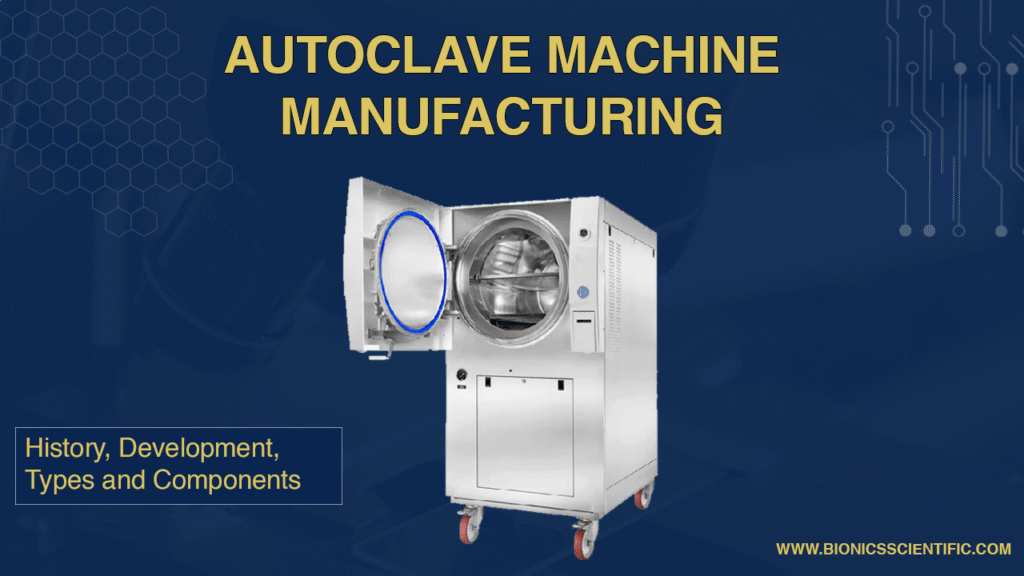
- Horizontal autoclaves: Large capacity, front-loading designs used in industrial or widely in hospital settings.
- Industrial-scale autoclaves: Developed for mass production processes such as food canning or large-scale pharmaceutical sterilization.
Benefits of Autoclave in Different Industries
In Laboratories: Autoclaves play an important role in biological, chemical, and research labs. Autoclaves are used for sterilizing glassware like beakers, test tubes and petri dishes, that makes sure everything is free from harmful microbes. Autoclaves are also necessary for safely decontaminating lab waste before they are thrown away, helping protect both lab staff and the environment.
In Medicine and Healthcare: Hospitals and clinics depend upon autoclaves to sterilize surgical instruments, dressings, and other medical equipment, ensuring everything is safe and germ-free for patient care. Without an Autoclave, the risk of infection during surgery/treatment becomes higher.
In the Pharmaceuticals Industry: In this Industry, Autoclaves are widely used to sterilize containers like vials and ampoules before being filled with medications. This helps ensure that the drugs stay uncontaminated right from the start of the production process. They are also important for maintaining sterile conditions in cleanrooms where keeping everything free of microbes is inevitable.
In the Food Industry, Autoclaves aid in preserving packaged food by killing bacteria that cause spoilage or other diseases. In short, they sterilize equipment to ensure the final product is safe and consistent.
In Veterinary Clinics and Salons: Autoclaves are also used outside traditional science and medicine. Tattoo studios also piercing shops and grooming salons use them to sterilize tools. Veterinary clinics use autoclaves for surgical instruments and cages.
Selecting the Right Autoclave
Selecting an autoclave depends on various factors:
- Size of the load: Small labs may require compact autoclaves; on the other hand, hospitals require larger models.
- Type of items: Wrapped, porous, or liquid loads may need a pre-vacuum type.
- Number of use: High traffic environments require durable and automated autoclaves.
- Budget and features: Some autoclaves are fully automatic with programmable cycles, while others are more manual.
For beginners/ smaller labs, a gravity displacement autoclave is usually the best starting point. For hospitals or complex sterilization tasks, a pre-vacuum autoclave may be more suitable.
Safety and Maintenance
While autoclaves are generally safe, they must be used with proper care. Common risks are such as burns from hot steam, exposure to pressure if the chamber is opened too soon or failure of safety valves.
Regular maintenance includes checking seals, cleaning the chamber, calibrating temperature controls, and replacing worn parts. Users should always follow the manufacturer’s instructions and training guidelines.
Routine cleaning and maintenance not only just improve safety but also maximise the life of the autoclave.
Key Autoclave Benefits in Laboratories and Hospitals
- Full Sterilization: A brief rinse may make equipment appear clean, but it will not eliminate bacteria. An autoclave does this by subjecting materials to pressured steam.
- Faster Processing: Most labs are slowed down by waiting for sanitized equipment. Autoclaves shorten the waiting time and keep operations flowing.
- Free of chemical residues: As steam accomplishes the work there is no problem with chemical residues on equipment or glassware at the end of the cycle.
- Dependable Performance: When the temperature and pressure are properly maintained, the sterilization procedure is the same each cycle.
- Suitable for Routine Lab Work: Glassware, culture media, metal tools and laboratory trash can all be treated in one system.
- Increased Safety: Proper sterilization decreases the risk of contamination and this is something that every laboratory and healthcare facility has to manage carefully.
- Long life span: Most autoclaves last for many years with regular maintenance and basic service.
- Cleaner Process: Steam sterilization eliminates the handling and disposal problems of chemical procedures.
- Very Popular: Whether you are in a research laboratory, a hospital, a pharmaceutical unit or a veterinary clinic you are likely to find an autoclave in frequent use.
Limitations of Autoclave
Despite their advantages, autoclaves comes with drawbacks too:
- Cost: High-quality Autoclaves can be much more expensive, especially larger models.
- Size: Autoclaves are often bulky and may not fit in small facilities.
- Material limits: Some plastics or delicate materials cannot bear high temperatures.
- Energy use: Running an autoclave requires a high amount of electricity and water.
Understanding these limitations helps organizations choose the right sterilization method for their needs.
Autoclave vs Other Sterilization Methods: Why Autoclaves Stand Out
Autoclaves are not the only way to sterilize—there are several other methods, each with its own pros and cons:
- Dry heat: This method uses hot air ovens to sterilize equipment. It’s effective but takes longer and does not provide materials as well as steam.
- Chemical sterilization: Chemicals like ethylene oxide are used to sterilize delicate items that cannot easily handle heat. While effective, these chemicals can leave behind toxic residues and require careful handling.
- UV sterilization: Ultraviolet light is great for killing microorganisms on exposed surfaces. However, it only works where the light can directly reach, so it has its limitations.
Autoclaves remain the most versatile choice because they combine speed, safety, and reliability without harmful byproducts.
Why Bionics Scientific
Bionics Scientific has manufactured laboratory and medical equipment for 35 years, with vertical and horizontal autoclaves, laboratory refrigeration, and mortuary equipment dispatched across India and to international markets, including the USA, UK, UAE, Saudi Arabia, South Africa, Canada, Australia, Singapore, Malaysia, Philippines, Indonesia, Kenya, Nigeria, Bangladesh, Nepal, Qatar, Oman, Kuwait, Bahrain, Vietnam, Thailand, Tanzania, Ghana, Sri Lanka, and New Zealand.
Manufacturing is certified by Euroglobe Registrars (UK), an independent, internationally operating certification body established in 2007:
Certifications & Quality Compliance
|
Standard |
Cert. No. |
Scope |
Valid Until |
|
ISO 9001:2015 (QMS) |
184876 |
Lab, scientific & cleanroom equipment mfg. |
30-03-2029 |
|
CE (MDD 93/42/EEC) |
184877 |
Products as per annexure |
30-03-2029 |
|
GMP |
184878 |
Includes fume hood and a biosafety cabinet. |
30-03-2029 |
|
NSF/ANSI 61 |
183884 |
Bio-safety cabinet, lab & scientific equipment |
08-03-2027 |
Frequently Asked Questions (FAQs)
What are the advantages of autoclave?
Some of the advantages associated with autoclave are sterilization, a quick sterilization process, effective working mechanism, and non-chemical contamination removal.
How important is sterilization in autoclave?
Sterilization in autoclave is significant because it is a technique utilized to kill all the microorganisms that are dangerous to prevent contamination in laboratories, hospitals, and pharmaceutical industry.
What are the advantages of using autoclave in laboratories?
Using autoclave in laboratories to sterilize glassware, culture medium, lab instruments, and laboratory wastes ensure that the experiments are accurate.
Chemical sterilization is replaceable by autoclave.
Autoclave is the best replacement for chemical sterilization since it employs steam for sterilization purposes and no chemicals are employed.
Understanding these autoclave benefits can help organizations select the right sterilization solution for their specific requirements.
Can an Autoclave Replace Chemical Sterilization?
Not in every application. Autoclaves are suitable for materials that can tolerate heat and moisture, while heat-sensitive materials may require alternative sterilization methods.
Conclusion
The autoclave still provides a good sterilization process in the laboratory, hospital, pharmaceutical industry and other areas which require suitable material to be sterilized using steam. The benefits of an autoclave include destruction of microorganisms, reproducibility, chemical-free process, versatility and prevention of contamination.Nonetheless, selecting an autoclave should be based on the load type, volume of the chamber, sterilization process, control of the cycle, safety and services offered.
Should you need information regarding the purchase of an autoclave for your laboratory or industry, please feel free to contact Bionics Scientific Technologies.
Get the Best Autoclave for Your Needs
Looking for a reliable autoclave for your laboratory or industry?
Contact Bionics Scientific today to get expert consultation and the best price within 24 hours.
Call us: +91 9111161955, +91 9376651333
Email: info@bionicsscientific.com