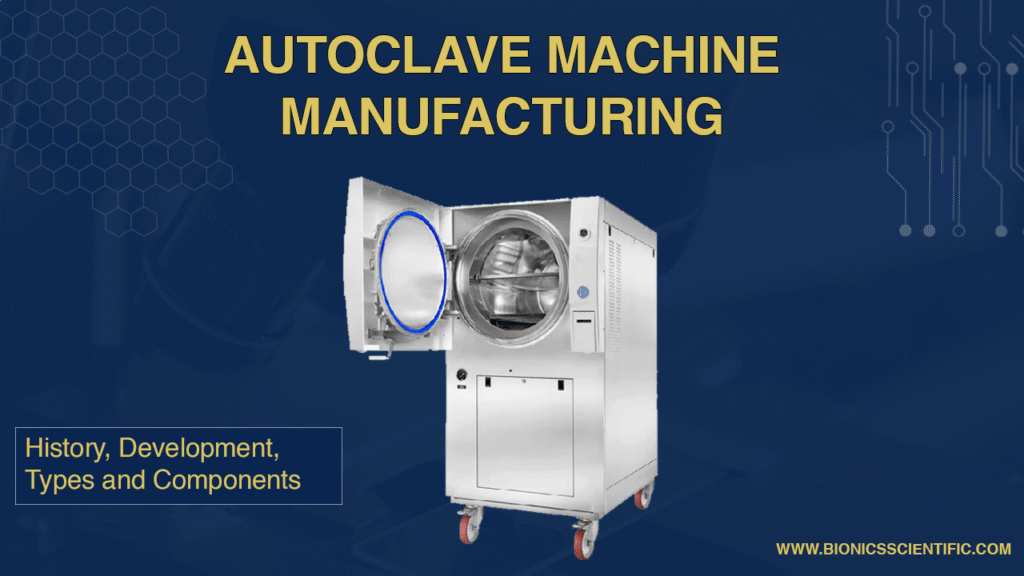
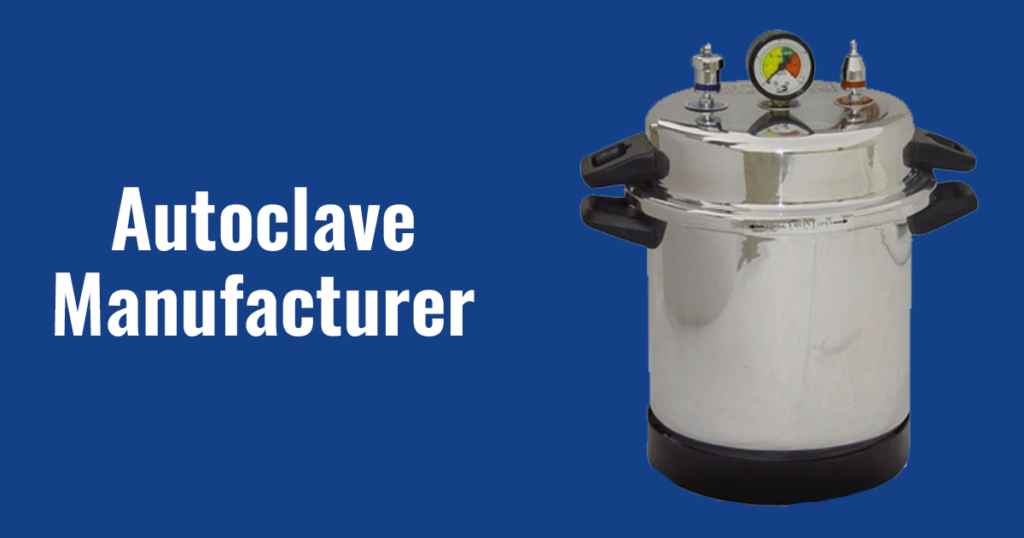
Best Autoclave Manufacturers in India: Autoclaves are indispensable tools in sterilization equipment, offering a reliable means of achieving thorough sterilization across various industries. Whether in medical facilities, research laboratories, or manufacturing plants, the quality and reliability of autoclaves play a critical role in ensuring safety and efficiency. This comprehensive guide delves into the world of autoclave manufacturing, exploring the types, components, working principles, and key considerations for selecting the proper autoclave manufacturer.
1. Introduction to Autoclave Manufacturing in India
Autoclaves are essential for sterilizing equipment, materials, and instruments by subjecting them to high-pressure saturated steam. This process eliminates bacteria, viruses, fungi, and spores, making autoclaves invaluable in environments where sterility is paramount.
The concept of autoclaving dates back to the 19th century, with the invention credited to French microbiologist Charles Chamberland. Over the years, autoclaves have undergone significant advancements in design and functionality, catering to diverse sterilization needs.
Types of Autoclaves
Autoclaves come in various configurations to suit specific applications, with common types including gravity autoclaves, pre-vacuum autoclaves, and steam sterilizers.
- Gravity Autoclaves: Gravity autoclaves operate by utilizing the natural downward displacement of air through gravity. They are suitable for sterilizing solid materials but may not be ideal for porous loads.
- Pre-vacuum Autoclaves: Pre-vacuum autoclaves remove air from the chamber before introducing steam, ensuring more efficient sterilization, particularly for porous loads and delicate instruments.
- Steam sterilizers, or tabletop autoclaves: These are compact units for smaller loads and table top applications commonly found in dental and veterinary clinics.
Components of Autoclaves
Autoclaves consist of several essential components, each contributing to their functionality and performance.
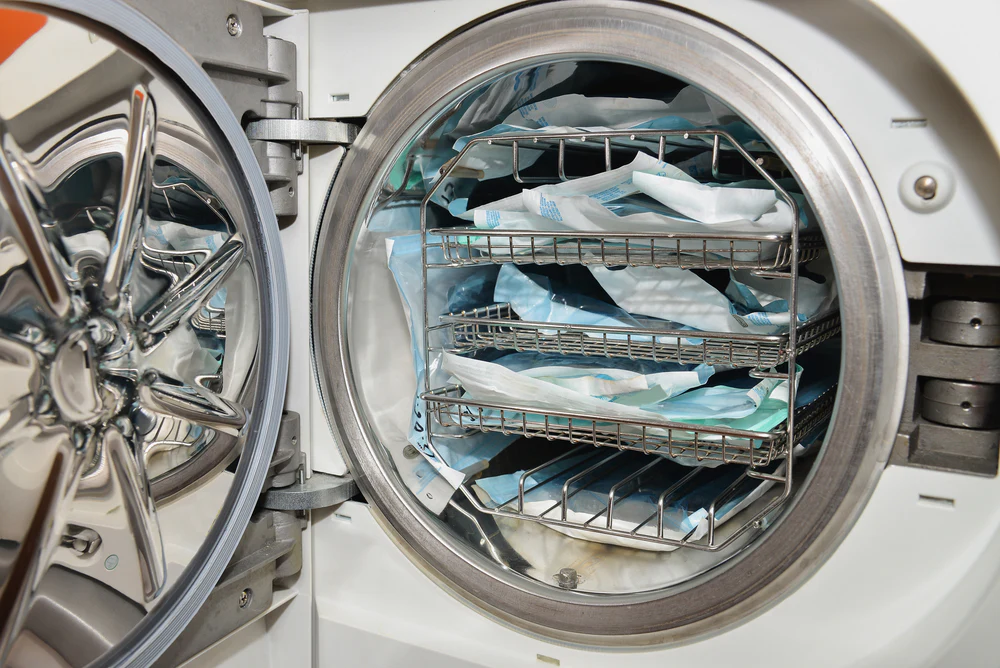
- Chamber: The chamber is the central compartment where materials undergo sterilization. It must be constructed from durable materials capable of withstanding high temperatures and pressures.
- Door Mechanism: The door mechanism ensures a tight seal during operation, preventing steam from escaping and maintaining pressure within the chamber.
- Control System: The control system regulates temperature, pressure, and cycle duration, allowing for precise sterilization.
How Autoclaves Work
Autoclaves operate on the principle of moist heat sterilization, wherein steam penetrates materials, effectively killing microorganisms through coagulation of proteins and denaturation of enzymes.
Loading the Autoclave:
- The materials or instruments to be sterilized are placed inside the autoclave chamber.
- Items must be arranged to allow steam to circulate freely, ensuring proper sterilization.
- Containers with lids are left slightly open to allow steam penetration.
Sealing the Chamber:
- Once loaded, the autoclave door is securely closed.
- Modern autoclaves have safety interlocks to ensure the door is sealed before starting the cycle
Removing Air from the Chamber:
- Air inside the autoclave is removed to allow steam to fill the space. This is done by:
- Gravity displacement: Steam pushes out the air through a vent at the bottom.
- Vacuum systems: A vacuum pump removes air, allowing steam to penetrate efficiently.
Heating and Pressurizing:
- Steam is introduced into the chamber and heated to a temperature of 121°C to 134°C (250°F to 273°F).
- Pressure is increased to around 15 to 30 psi (pounds per square inch) to maintain the high temperature.
- The combination of heat and pressure kills microorganisms, including bacteria, viruses, and spores.
Sterilization Phase (Holding Time):
- The sterilization process maintains the high temperature and pressure for a specific time, typically:
- 121°C for 15-30 minutes, or
- 134°C for 3-5 minutes (for faster sterilization).
- The exact time depends on the materials being sterilized.
Cooling and Depressurizing:
- After sterilization, the chamber is slowly depressurized to prevent damage to the contents.
- The steam is vented, and the temperature decreases.
Drying Phase (Optional):
- For certain items, a drying cycle is included, which removes any residual moisture using vacuum or heat.
Unloading the Autoclave:
- Once the autoclave has cooled and pressure is fully released, the door can be safely opened.
- Sterilized items are carefully removed, often using gloves to avoid contamination or burns.
Safety Features and Maintenance:
- Safety Valves: To prevent over-pressurization.
- Interlocks: Prevent opening during operation.
- Regular Maintenance: Essential to ensure the autoclave functions efficiently and safely.
Looking for best budget friendly Autoclave Sterilizers! Mail us at info@bionicsscientific.com or +91 9111161955 | 9376651333
Bionics Scientific Technologies (A Unit of Kartal Projects Pvt Ltd)
Known for its innovative designs and advanced features, Company Bionics Scientific offers a wide range of autoclaves suitable for medical, laboratory, and industrial applications.