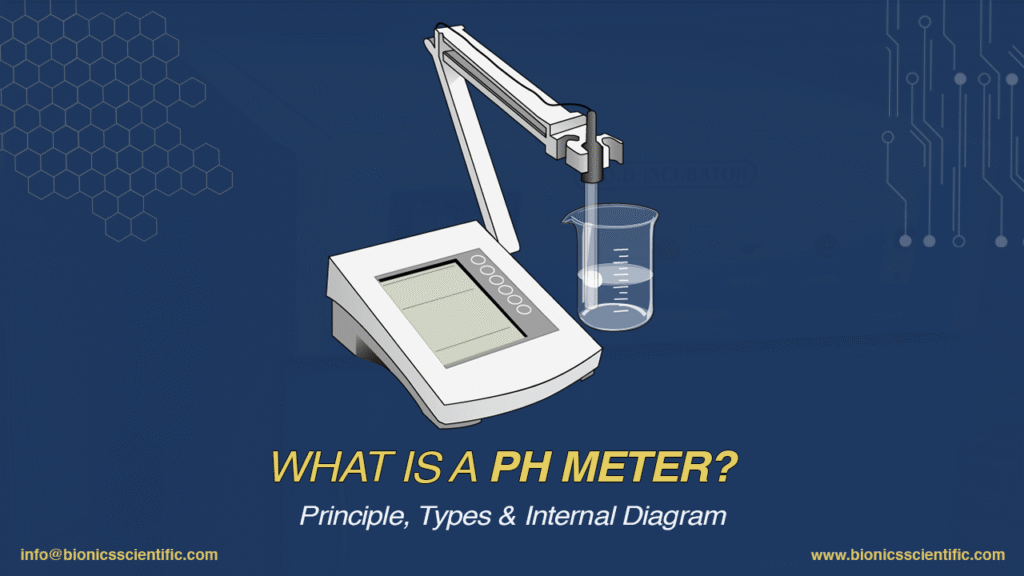
A pH Meter is a laboratory instrument used to measure the acidity or alkalinity of liquids and solutions. It is widely used in laboratories, pharmaceutical industries, water treatment plants, food processing, chemical testing, and research applications where accurate pH measurement is required.
- A pH Meter is a laboratory instrument used to measure the acidity or alkalinity of liquids and solutions. It is widely used in laboratories, pharmaceutical industries, water treatment plants, food processing, chemical testing, and research applications where accurate pH measurement is required.
- Working Principle of a pH meter
- How this instrument processes readings
- Choosing the right pH meter
- pH Scale Indicators:
- Bionics Scientific pH Meters
- Applications of pH Meter
- What are the main parts of a pH meter?
- What is a glass electrode?
- Why is pH meter calibration important?
- What is the accuracy of a digital pH meter?
- What buffer solutions are used for calibration?
- What is temperature compensation in a pH meter?
- What is the normal pH range?
- How often should a pH meter be calibrated?
What is a pH Meter
Curious about how a this testing device works? In this blog, we’ll cover its principle, types, working diagram and real life uses – plus a simple guide, comparison chart and FAQs to make it easy for you.
Designed for accuracy , a pH meter measures the hydrogen ion concentration of solutions, indicating their acidity or alkalinity on a scale ranging from 0 to 14.
“A pH of 7 is neutral, with values below indicating acidity and above showing alkalinity. A pH meter consisting of a probe and a digital display, is widely used in laboratories, agriculture , water treatment, food production, and chemical industries. Accurate pH measurement is crucial for Quality control, chemical reactions, and environmental monitoring , making it an essential analytical tool.
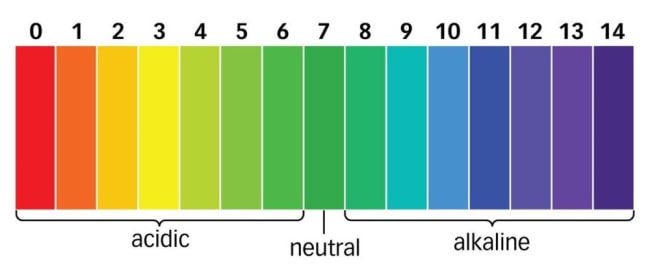
The pH scale shows how acidic or alkaline a solution is (0-14):
- pH<7 : Acidic
- pH = 7 : Neutral
- pH>7: Basic (Alkaline)
Display options:
- Digital screen (Modern Models)
- Analog Output (Traditional models)
Working Principle of a pH meter
- The principle is based on electrochemical potential difference.
- It measures the Voltage between two electrodes: the glass electrode (measuring electrode) and the reference electrode.
- When placed in a solution the glass electrode develops a potential that varies with the pH of the solution .
- The reference electrode maintains a constant potential , allowing accurate comparison.
How this instrument processes readings
- The laboratory pH meter amplifies the potential difference between electrodes.
- It then converts this voltage into pH units displayed on the screen.
Formula used :
E=E0+nF2.303RTlog[H+]
Where :
● E = potential measured
● E0 = Standard electrode potential
● R = Gas constant
● T = Temperature (in Kelvin)
● F = Faraday constant
● n = Charge number(usually 1 for H+)
● ⦗H+⦘ = Hydrogen ion concentration
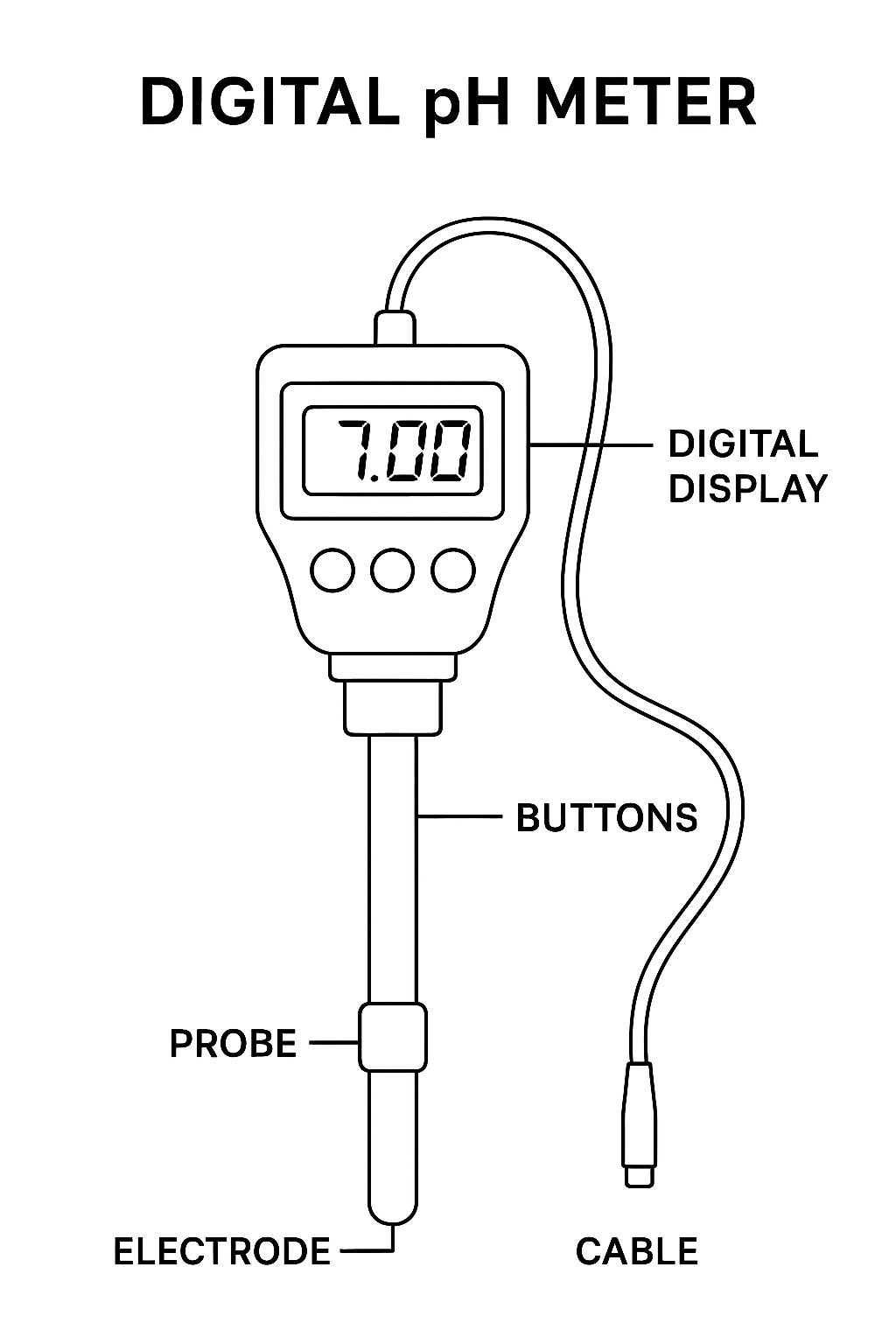
This instrument has different parts that work together to give accurate readings:
- Glass Electrode → Feels how acidic or alkaline the liquid is.
- Reference Electrode → Keeps a steady point of comparison
- Temperature sensor → Fixes errors caused by temperature changes.
- Display Screen → Shows the pH value (digital or analog)
- Amplifier → Boosts the tiny electrical signal from the electrodes.
- Calibration Buttons / knobs → Help set the meter correctly before use.
pH Meter Construction
A pH meter consists of a glass electrode, reference electrode, temperature sensor, amplifier, microprocessor, and display unit. These components work together to measure hydrogen ion activity and convert it into a readable pH value.
Types of pH Meter
Different types of pH meters are available to suit various testing requirements. Some models are designed for laboratory use, while others are better suited for field testing, industrial monitoring, or routine measurements.
- Digital pH meter – Provides accurate digital readouts, often with automatic calibration and temperature compensation. Commonly used in laboratories, industries and field testing.
- Portable pH Meter – Compact, battery operated device suitable for on-site testing in agriculture, wastewater management, etc.
- Pen- type pH Meter – Lightweight and small, ideal for aquariums, swimming pools, and quick sampling.
- Benchtop pH meter – High – precision instrument primarily used in research laboratories and quality control departments.
- pH Transmitters – Industrial grade devices that continuously measure and transmit pH values to control systems.
pH Meter Price in India
pH testing device price in India depends on accuracy, type, and application. Basic models start from around ₹1,000, while advanced laboratory instruments can go above ₹1,00,000.
Choosing the right pH meter
| Type | How accurate? | Portability | Best for | Typical Cost |
| Digital | High | Medium | Labs, foods, beverage testing | ₹5,000 – 50,000 |
| Handheld | Moderate | Easy to carry | Farms, field checks | ₹2,000-15,000 |
| Pen-Type | Basic-Good | Very handy | Pools, aquariums, home use | ₹1,000 – 5,000 |
| Benchtop | Very precise | Not portable | Pharma & research labs | ₹15,000 – 1,00,000 |
| Industrial | Very precise | Rigid | Water plants, process industries | ₹20,000 – 1,20,000 |
pH Scale Indicators:
Source: https://www.epa.gov/goldkingmine/what-ph
Bionics Scientific pH Meters
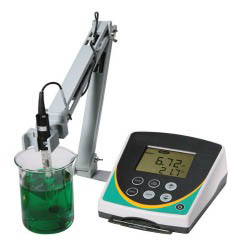
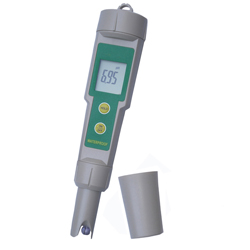
Applications of pH Meter
This device isn’t just for scientists- it’s useful in many parts of daily life:
- Science & Research – Provide aid to scientists for test reactions , study chemicals and even develop new medicines.
- Farming & Gardening – analyse if soil is too acidic or basic and helping plants grow healthier
- Food & drinks – Used to keep Yoghurt tangy, cheese tasty, and beer or wine just right
- Water quality – Makes sure water in pools, taps or factories is safe and balanced.
- Health & Medicine – Doctors test blood and urine pH to spot possible health problems early.
- Industry – Factories use it to make soaps, cosmetics, paper and other products with the right balance.
- Real Industry Insight: In water treatment plants, pH meters are used daily to maintain safe water quality. Accurate monitoring helps prevent contamination and ensures regulatory compliance.
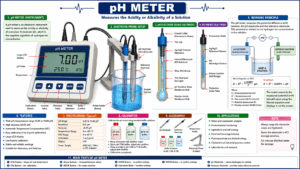
pH Meter Diagram
|
Component |
Function |
|
Glass Electrode |
Detects hydrogen ions |
|
Reference Electrode |
Provides stable reference |
|
Temperature Sensor |
Compensates temperature changes |
|
Amplifier |
Strengthens electrical signal |
|
Display Unit |
Shows pH value |
Components Shown in pH Meter Diagram
The diagram of a pH meter highlights the key components responsible for measuring the acidity or alkalinity of a solution. The glass electrode is the sensing element that responds to hydrogen ions present in the sample, while the reference electrode provides a stable comparison point for measurement. Modern instruments may also include a temperature sensor to improve accuracy when testing samples at different temperatures. The electrical signal generated by the electrodes is amplified and processed by the instrument before the final pH value is displayed on the screen. Understanding these components makes it easier to interpret how a pH meter works and why accurate calibration is important for reliable results.
pH Meter Calibration Procedure
A pH meter should be calibrated before testing any sample to make sure the readings are accurate. In most laboratories, this is done using standard buffer solutions such as pH 4, pH 7, and pH 10. The electrode is first rinsed with distilled water and then placed in a pH 7 buffer solution to set the reference point. After that, additional calibration can be carried out using pH 4 or pH 10 buffers, depending on the expected pH range of the sample. Once the calibration is complete, the instrument is ready for measurement. Since electrodes can slowly drift over time, regular calibration is considered a good laboratory practice and helps ensure consistent pH readings during routine testing.
What is the Full Form of pH?
The full form of pH is “Potential of Hydrogen.” The term is used to describe how acidic or alkaline a liquid is by measuring the activity of hydrogen ions present in it. In simple terms, pH helps us understand the chemical nature of a solution. A pH value of 7 is considered neutral, values below 7 indicate acidity, and values above 7 indicate alkalinity. Whether it is drinking water, soil, food products, or laboratory samples, pH measurement plays an important role in determining quality and suitability for a particular application. This is why pH is one of the most commonly measured parameters in laboratories, industries, agriculture, and water treatment facilities.
When choosing a pH meter, the brand plays a critical role. Bionics scientific Technologies stands out due to:
- Top Notch Quality – Over 35 years of experience in manufacturing testing instruments, including instruments , Recipient of a National Award For Quality from the Indian Government.
- Reliable accuracy – Precision instruments trusted by leading companies such as Amazon, Honda and Maruti for water soil and food testing.
- Excellent Support – Comprehensive after – sale service, user training , and guidance to ensure proper usage.
- Affordable options – A wide range of products from pocket meters to advanced lab models, catering to various budgets.
- Global Reach – Exporting to 50+ counties, meeting international standards for reliability and performance.
Choosing Bionics means picking a company that’s all about quality, trust, and making your work easier. Whether you’re a beginner or a pro, they’ve got your back!
Advantages of pH Meter
One of the biggest advantages of a pH meter is that it gives results quickly without requiring complicated calculations or color comparisons. Unlike litmus paper, which can only provide an approximate indication, a pH meter displays a precise value that is easier to interpret. This makes it a practical choice for laboratories, water treatment facilities, food processing units, and agricultural testing.
Another benefit is consistency. When properly calibrated, the instrument can provide repeatable readings, helping users monitor changes in pH with greater confidence. Many modern models also include features such as digital displays and temperature compensation, making routine testing simpler and more convenient. Whether testing water, soil, chemicals, or food products, a pH meter offers a dependable way to assess acidity and alkalinity with minimal effort.
Limitations of pH Meter
While a pH meter is a highly useful instrument, it does have a few limitations. To maintain accuracy, the electrode needs proper care and regular calibration. If the electrode becomes dirty, damaged, or dries out during storage, the readings may not be reliable. The instrument can also be affected by temperature changes if temperature compensation is not available or used correctly. In addition, pH meters require periodic maintenance and careful handling, especially in laboratory environments where precise measurements are important. For this reason, following the manufacturer’s guidelines and checking the instrument regularly are essential for obtaining dependable results.
Why Choose Bionics Scientific Technologies?
Bionics Scientific is a renowned manufacturer of devices, offering a wide range of models including modern microprocessor based instruments with automatic temperature adjustment. These meters are widely used in research organizations for precise and reliable measurement.
From advanced lab models to portable pen meters – Bionics Scientific covers it all. It offers high-quality lab instruments for both national and international markets. Their microprocessor based models are an ideal choice for high-end pH measurements needs. The portable testing instruments are scientifically designed to deliver maximum stability and quick results in field applications. In addition, Waterproof pen-type handheld measurement devices are also available for convenient ,on the go-testing.
Versatile pH meters trusted across agriculture, industry and water treatment.” Our pH measurement instrument are designed to meet the diverse needs and budget of customers. These instruments are highly useful across various sectors including agricultural and soil analysis laboratories, swimming pools, water quality monitoring in boiled feed water, water works department, fertilizers plants, petroleum refineries, breweries and water purification plants.
Looking for the Right pH Meter for Your Application?
Choosing a pH meter is not always as simple as picking the first model you come across. The right instrument depends on where and how it will be used. A laboratory may require a high-precision benchtop model, while field testing often calls for a portable and easy-to-carry device. At Bionics Scientific, we offer pH meters for a wide range of applications, including research, water analysis, food processing, pharmaceuticals, and industrial testing. If you need help comparing models or understanding technical specifications, our team can guide you in selecting an instrument that matches your testing requirements and budget.
Conclusion
A pH meter has become an essential tool wherever accurate testing is required. Whether it is used in a laboratory, water treatment plant, food processing unit, or agricultural field, it helps users quickly determine the acidity or alkalinity of a sample. By understanding its working principle, key components, calibration process, and practical applications, users can make better use of the instrument and achieve more dependable measurements in their day-to-day testing activities.
Frequently Asked Questions (FAQs)
What are the main parts of a pH meter?
A pH meter is made up of several important components that work together to measure the pH of a sample. These typically include a glass electrode, reference electrode, temperature sensor, display screen, and internal electronics that process the reading and show the result.
What is a glass electrode?
The glass electrode is the part of the pH meter that comes into contact with the sample. It responds to hydrogen ions present in the liquid and helps the instrument determine the pH value. It is one of the most important components of the entire system.
Why is pH meter calibration important?
Calibration is necessary to make sure the readings remain accurate. Since electrodes can gradually change with regular use, calibrating the instrument with standard buffer solutions helps maintain measurement reliability.
What is the accuracy of a digital pH meter?
The accuracy depends on the model and its condition. Most laboratory-grade digital pH meters provide highly precise readings, while portable models may have slightly lower accuracy. Regular calibration helps achieve the best results.
What buffer solutions are used for calibration?
Standard buffer solutions with pH values of 4.0, 7.0, and 10.0 are commonly used for calibration. These solutions provide known reference points that allow the instrument to measure pH accurately across different ranges.
What is temperature compensation in a pH meter?
Temperature can influence pH readings. Temperature compensation automatically adjusts the measurement according to the sample temperature, helping improve accuracy without requiring manual corrections.
What is the normal pH range?
The pH scale ranges from 0 to 14. A value of 7 is considered neutral. Values below 7 indicate acidic conditions, while values above 7 indicate alkaline or basic conditions.
How often should a pH meter be calibrated?
The frequency depends on the application and level of accuracy required. In many laboratories, calibration is performed before daily testing, while critical applications may require more frequent calibration checks.