Animal Incinerator Manufacturers & Suppliers in India
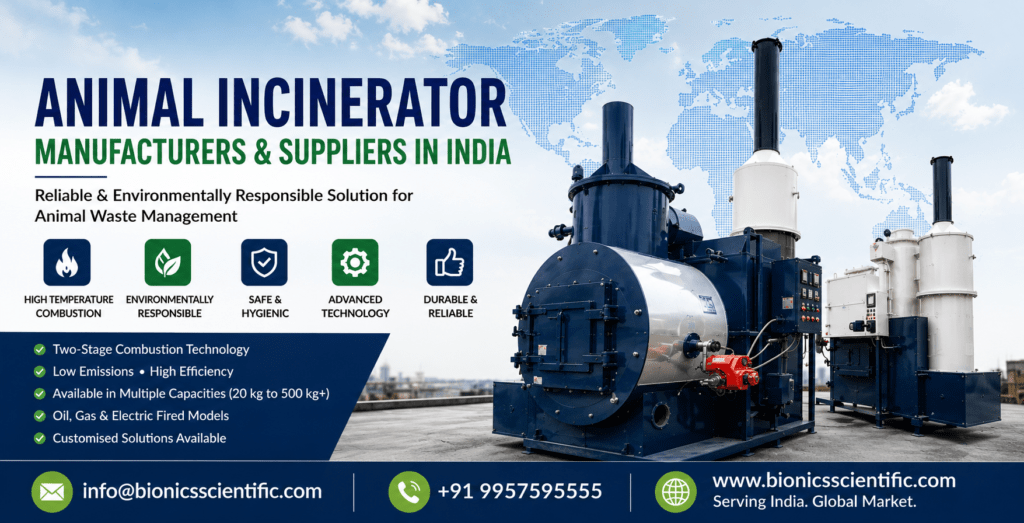
Animal Incinerators are advanced waste disposal systems designed for the safe, hygienic, and environmentally responsible destruction of animal carcasses, animal waste, and biological by-products. It operates at high temperatures to ensure complete combustion of animal carcasses, biological waste, and organic materials.
Animal incineration is widely adopted in veterinary hospitals, animal shelters, livestock farms, research facilities, and zoological institutions where the controlled disposal of animal waste is an operational requirement.
Conventional disposal methods such as burial and landfilling can create environmental and public health concerns. These methods may contaminate soil and groundwater while attracting scavengers and disease-carrying organisms. Animal incineration offers a safer and more hygienic alternative for waste disposal.
Bionics Scientific manufactures animal incinerators for veterinary facilities, poultry farms, research laboratories, slaughterhouses, and livestock operations. Each unit is designed to provide reliable waste disposal while maintaining operational efficiency and compliance with applicable environmental requirements. Depending on the application, systems can be supplied in different capacities, fuel options, and loading configurations.
How Do Animal Incinerators Work?
A controlled two-stage combustion process is used in an animal incinerator. In the main chamber it incinerates animal corpses and biological waste at very high temperatures, from 850°C to 1000°C. This turns all the organic materials to ash, sterilizing it totally.
During the combustion process, gases generated in the primary chamber are directed into a secondary combustion chamber where they are exposed to higher temperatures. This stage helps reduce smoke, odor, and unburned particles before exhaust gases are released through the chimney. The two-stage combustion process improves combustion efficiency and supports cleaner operation.
Animal Cremation
Animal incinerators are used widely in veterinary hospitals, poultry farms, dairy farms, livestock facilities, slaughterhouses, zoological parks, animal shelters, and research institutions. These facilities generate biological waste that needs to be disposed of under controlled conditions to mitigate the risks of contamination. This reduces transport and storage of potentially infected animal remains, which helps biosecurity during disease outbreaks. Incineration on site. Research facilities and Universities also use animal incinerators to safely dispose of biological specimens and laboratory animal waste.
Features of Bionics Scientific Animal Incinerators
Bionics animal incinerators are intended for long-term dependability. They are made from high quality materials such as strong-duty steel and refractory materials to withstand persistent high temperatures.
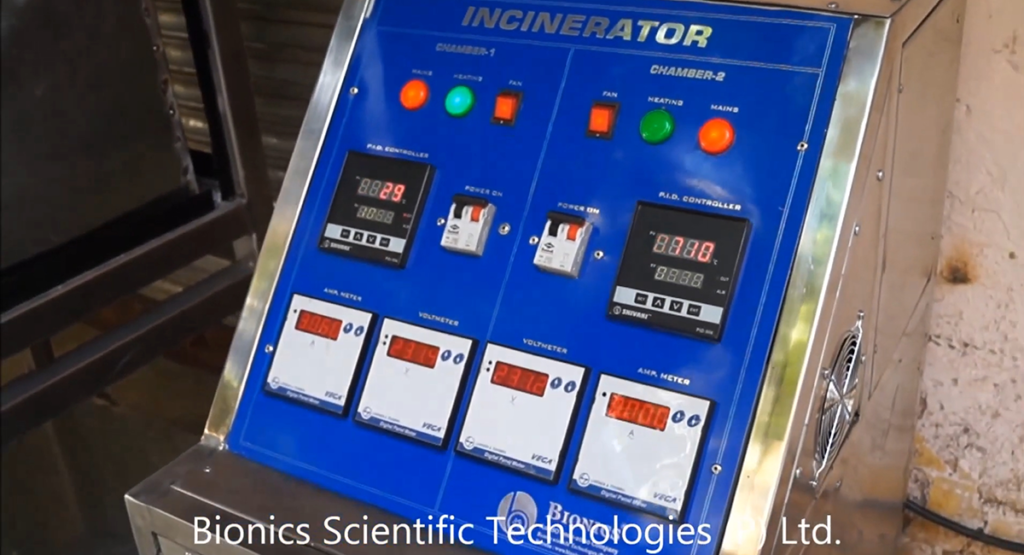
Such systems might be from 20 kg to 500 kg and even bigger sometimes. And you get to pick the fuel type—oil, gas, or electric—that suits you best. Advanced controllers also keep the combustion stable and efficient.
The big models are equipped with trolley loading systems and hydraulic door openers, which make them easier to use and safer to operate. Each unit is thoroughly checked before sent out to ensure that it passes all performance tests.
Environmental Compliance and Safety
Modern trash disposal is very much an environmental obligation. Our animal incinerators are equipped with secondary combustion technology to reduce smoke, odor, and harmful emissions to the air. They burn the biological waste in a regulated procedure, destroying it completely . They obey environmental standards too .
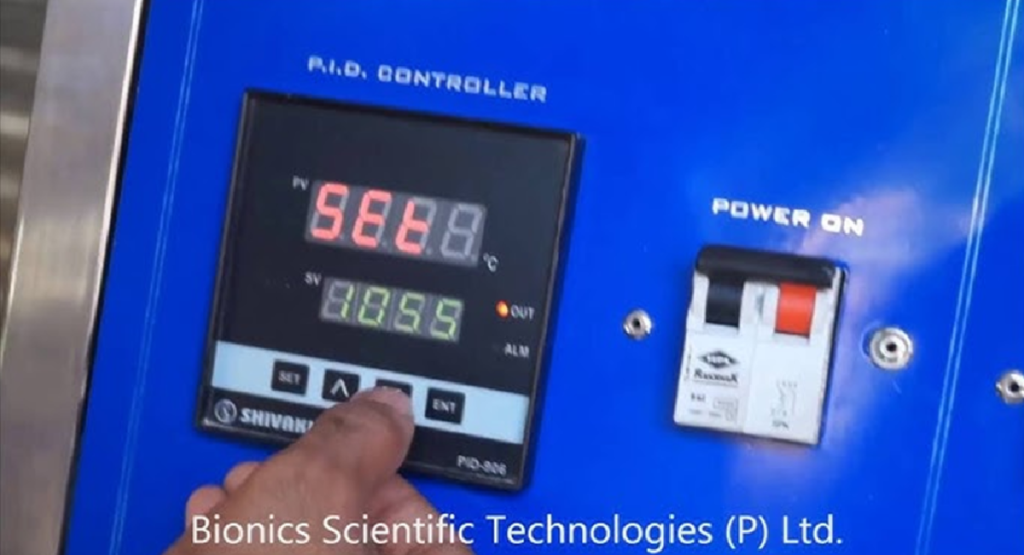
The incinerators have safety systems that monitor temperature and operations throughout the process. Insulation will reduce heat loss and save fuel . Strong chimney systems will ensure that everything gets out safely .
These incinerators are ideal for groups seeking an environmentally friendly option for waste disposal.
Proper disposal of animal waste is also considered an important part of biosecurity and disease management practices recognized by the World Organisation for Animal Health (WOAH).
Case Study: Incineration for Disease Control in Poultry Farms.
A commercial poultry farm facing a disease outbreak needs a speedy, biosecure method to dispose of infected animals. Burial was not an option, as it could contaminate the environment and damage groundwater.
So, they purchased an animal incinerator from Bionics Scientific, which could handle between 150 and 200 kg. This helped them quickly get rid of carcasses on site, minimizing risk and limiting the spread of the disease. And it cut transit expense, cut waste, and kept them in line with environmental regulations.
This proves that the correct incinerator may be quite useful in such cases, protecting the animals and the environment.
Technical Data
Bionics Scientific Animal Incinerators are offered in a range of capacities to meet the needs of veterinary clinics, poultry farms, slaughterhouses, research facilities and large-scale livestock operations.
Technical Specifications
Bionics Scientific Animal Incinerators are available in multiple capacities to suit veterinary clinics, poultry farms, slaughterhouses, research facilities, and large-scale livestock operations. The standard specifications are as follows:
| Model | WPS30 | WPS50 | WPS150 | WPS500 |
| Incineration Capacity | 20–30 kg | 50–70 kg | 150–200 kg | 300–500 kg |
| Primary Combustion Chamber | 960 × 580 × 350 mm | 1250 × 700 × 480 mm | 1750 × 790 × 650 mm | 2500 × 1080 × 1000 mm |
| Feed Inlet Size | 600 × 350 mm | 720 × 480 mm | 810 × 650 mm | 1100 × 1000 mm |
| Secondary Combustion Chamber | 500 × 600 mm (Dia. × H) | 700 × 900 mm (Dia. × H) | 800 × 1020 mm (Dia. × H) | 1300 × 1510 mm (Dia. × H) |
| Overall Dimensions | 1750 × 1550 × 1560 mm | 2050 × 2000 × 2250 mm | 2900 × 2100 × 2570 mm | 3650 × 2950 × 3450 mm |
| Chimney Size | 159 mm × 6 m | 219 mm × 6 m | 273 mm × 6 m | 425 mm × 6 m |
| Oxygen Supply Fan | 0.37 KW | 0.55 KW | 0.75 KW | 3.0 KW |
| Fuel Consumption | 2.5–5 kg/hr | 2.5–5 kg/hr | 2.5–5 kg/hr | 5–10 kg/hr |
| Operating Voltage | 220V / 380V | 220V / 380V | 220V / 380V | 220V / 380V |
The specifications mentioned above are standard configurations. Customized chamber dimensions, fuel options, loading systems, and higher-capacity models can be provided based on customer requirements and project specifications.
Construction & Design
The efficiency of an animal incinerator is determined by its chamber design, insulation and combustion control system. Bionics Scientific units are constructed with heavy-duty steel structures and chambers lined with refractory to withstand long periods of high temperature. The design is based on operational reliability, fuel economy, and long service life in normal working conditions.
Why Bionics Scientific?
Bionics Scientific is a business of animal incinerators for veterinary facilities, livestock farms, research institutions, animal care centers, and waste management organizations with over 25 years of experience in the manufacturing of laboratory and industrial equipment and supplies. The company caters to customers across India and international markets such as USA, UK, Germany, UAE, Africa, Philippines, and Vietnam. Our animal incinerators are designed to suit the volume of waste, type of fuel, installation requirements, and operating requirements with technical guidance and after-sales support.
Conclusion
Animal incinerators remain one of the most practical solutions for the controlled disposal of animal carcasses and biological waste. Their ability to reduce waste volume, support biosecurity practices, and minimize environmental impact makes them suitable for veterinary facilities, livestock farms, research institutions, and animal care organizations. Selecting a properly designed incineration system helps ensure safe and efficient waste management over the long term.
Frequently Asked Questions
What is an animal crematory?
Animal Incinerator is a high temperature combustion apparatus for the correct destruction of animal carcasses, biological wastes and animal by-products by controlled combustion process.
What is the temperature of an animal incinerator?
Most animal crematories are run at roughly 850-1000°C in the main chamber. The secondary chamber is maintained at a higher temperature for complete combustion.
Where are animal incinerators used?
These are usually found in veterinary clinics, poultry farms, livestock farms, slaughterhouses, research institutes, zoos and animal shelters.
Are incinerators for animals eco-friendly?
Yep. Modern animal incinerators employ secondary combustion technology to assure complete destruction of the waste and to reduce smoke, odors, and harmful pollutants.
How big are the incinerators for animals?
Bionics Scientific has the regular capacities from 20 kg to 500 kg and can be manufactured to order for the larger applications.
Request a Quote
Looking for a reputed Animal Incinerator Manufacturer in India? Get in touch with Bionics Scientific immediately for expert guidance, technical details, pricing, and unique solutions. Our team can help you select the proper incinerator for your application and waste disposal requirements.