- Hot Air Oven Safety at a Glance
- Top Safety Risks When Using Hot Air Ovens in the Lab
- Damage to Unsuitable Materials and Melting Plastics
- Hot Air Oven Safety: Best Practices and Guidelines
- Hot Air Oven Maintenance: Best Practices and Care Tips
- Compliance & Training: Building a Culture of Lab Safety
- Keep Detailed Records
- Conclusion
- HOT AIR OVEN VIDEO
- Bionics Scientific (Kartal Projects Pvt Ltd) Reviews
Hot Air Oven Safety at a Glance
A laboratory hot air oven operates at high temperatures, so safe use requires correct loading, suitable heat-resistant materials, proper temperature settings, and careful handling of hot items. Never place flammable solvents, sealed containers, or unsuitable plastics inside a standard hot air oven.
Before each use, check the chamber, door seal, power connection, and temperature settings. During unloading, allow items to cool sufficiently and use appropriate heat-resistant gloves and protective equipment.
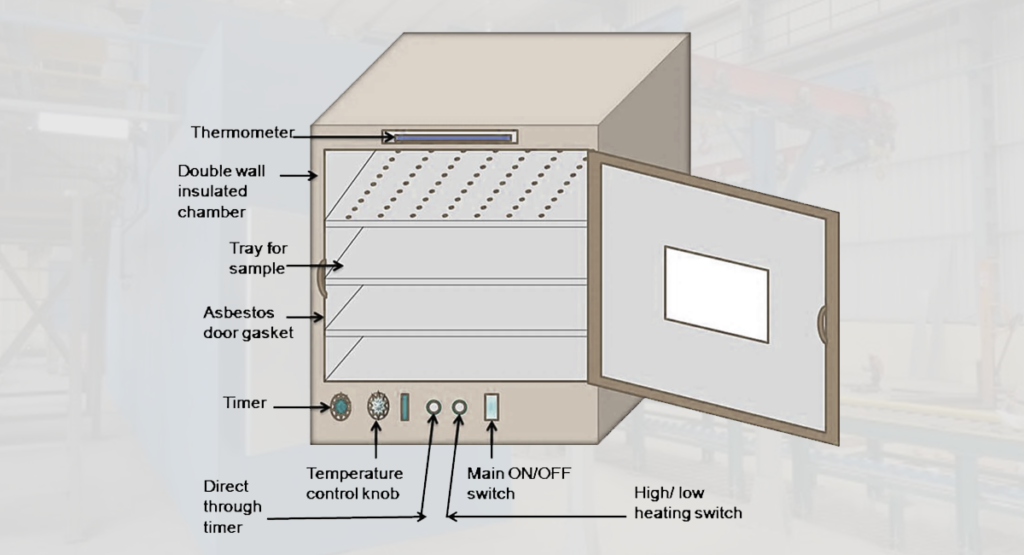
Hot Air Oven in Laboratories 3D View
Top Safety Risks When Using Hot Air Ovens in the Lab
Knowing the safety rules is crucial but to understand why they really matter is what keeps the lab safe. When the person understands the risks of using a hot air oven then it becomes easier to handle it properly and maintain it well. This awareness helps in creating safer habits and ensures every experiment goes smoother.
High Temperature Burns
One of the most immediate and obvious risks of using a hot air oven is exposure to extreme heat. The internal chamber of an operating oven can reach temperatures above 250°C which is hot enough to cause serious injury within seconds.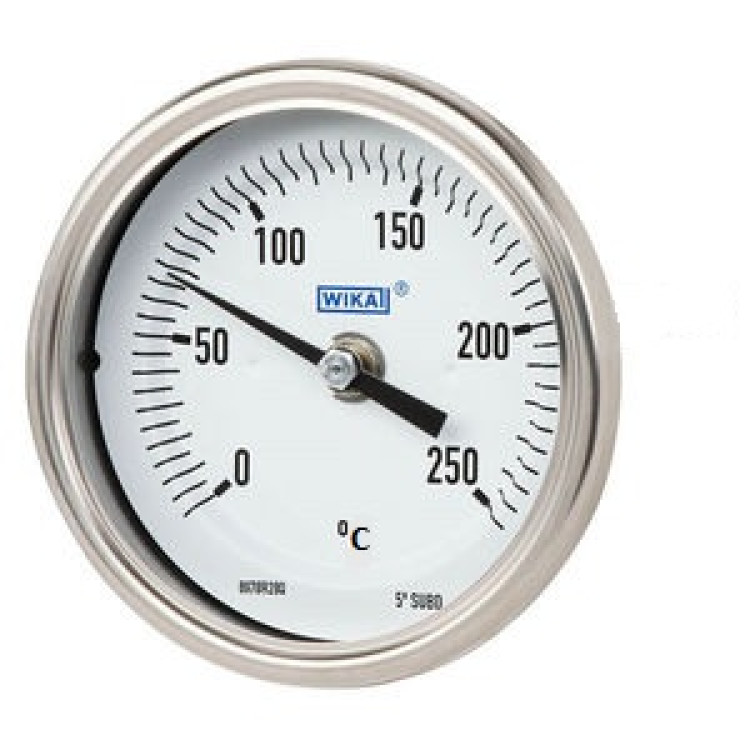
- Contact Burns: Touching the inner chamber, racks, or freshly heated materials can lead to severe instant burns. Always use heat-resistant gloves and proper tools while loading or unloading of items taking place.
- Radiant Heat: When the oven door is opened, a blast of hot air can escape and burn the face, hands, or arms. Always open the door slowly and step slightly to the side to stay safe.
- External Surfaces: Even well-insulated hot air ovens can have outer surfaces, especially around doors and vents, that become dangerously warm. Avoid leaning or resting towards the oven while it is in running condition.
Staying alert and following some simple precautions can go long way in minimizing burn risks and keeping a hot air oven safe to use.
Bionics Scientific stands for excellence. We deliver high-performance, ISO- and CE-certified laboratory equipment engineered for precision and durability. Trusted by researchers worldwide, we are your dedicated partner in scientific innovation.
Fire Risks from Flammable Materials
A hot air oven operates at high temperatures, which makes it a potential ignition source if used carelessly. Introducing any flammable or combustible material into the oven can lead to dangerous or even disastrous results.
- Flammable Vapors: Never place items that have been cleaned with or contain flammable solvents such as alcohol, acetone, or ether inside the oven. These liquids can easily vaporize, and their fumes may ignite, which leads to a sudden flash fire. Remember, a standard laboratory hot air oven is not built to handle volatile substances, unlike specialized reflow ovens used in electronics for soldering.
- Items That Can Catch Fire: Simple things like paper or wood or paraffin wax can catch fire easily if the oven gets too hot. Every time, take a moment to check what’s there inside before turning on the heat. Keep flammable stuff out of a hot air oven as it is an easy way to prevent accidents and keep everyone in the lab safe.
Damage to Unsuitable Materials and Melting Plastics
Putting the wrong things inside a hot air oven not only ruins a sample but it can even destroy the oven and create real safety dangers. To know which materials can handle the heat makes a huge difference and helps in keeping the lab safe and experiments running without obstacles.
- Plastics and Rubber: Most plastics and rubber materials can not bear the intense heat inside a laboratory hot air oven. They may melt or become brittle which releases toxic fumes that contaminate the workspace and corrode the oven’s interior. It is important to remember that a high temperature sterilizer oven and a gentle incubator serve very different purposes which make sure you are using the right equipment for the job.
- Sealed Containers: Never put tightly sealed containers in a hot air oven.As the air and moisture inside heat up the pressure can build rapidly sometimes causing violent explosions. This not only risks damaging the hot air oven but also puts anyone nearby in serious danger.
By choosing the right materials and following proper handling practices both the hot air oven and experiments are protected from costly mistakes.
Searching for a reliable HOT AIR OVEN that is both ISO 9001 and CE certified?
Explore the certified range from Bionics Scientific. Our HOT AIR OVEN are the go-to choice for labs where accuracy, excellent separation efficiency, and repeatable results are non-negotiable. Contact our experts at info@bionicsscientific.com or call +91 9111161955 | 9376651333.
Hot Air Oven Safety: Best Practices and Guidelines
Using a hot air oven safely is not just about following rules but it is about building good habits before, during and after each use. A little attention at every step can prevent accidents and make lab work smoother. Here is a practical guide to keep things safe and stress free:
1. Pre Use Checks
Before you even switch the oven on, take a few minutes for these quick safety checks:
- Calibration and Cleanliness: Make sure the oven is properly calibrated. An oven that is off by a few degrees can be unsafe. Also, double check that the chamber is clean and no leftover items or residue from previous cycles.
- Door Seals and Power Cord: Inspection of the door gasket for cracks is necessary. A tight seal keeps the heat inside and the person using it safe. Also check the power cord for any damage before use.
- Clear the Area: Keep the area around the oven clear of any clutter and anything flammable around it.The Items like cardboard, chemicals or loose papers can become a hazard near hot vents.
2. Loading the Oven Correctly
It is not just about what you put in but also how you load it makes all the difference.
- Do not Overload: When the oven is packed too tightly it results into air non circulation properly which leads to cold spots, uneven drying or incomplete sterilization.
- Material Compatibility : Use only materials that can tolerate high temperatures like borosilicate glass or stainless steel. Avoid using plastics any rubber or anything that might melt.
- Place Items Securely: Put items in the center of perforated shelves not directly on the oven floor. Proper placement keeps airflow smooth and results consistent.
3. Safe Operation
A little mindfulness during the heating cycle goes a long way:
- Check Your Settings: Double check temperature and timer. On digital ovens, use the over temperature protection feature for extra safety.
- Keep the Door Closed: Opening the door too frequently can cause the heat to escape and exposes to a burst of hot air. Remember that the oven works best in a sealed and stable environment.
4. Post Use Care and Unloading
The job is not done until your items are safely cooled:
- Be Patient: Things stay hot long after the cycle ends. Wait for the display to show a safe temperature like below 60°C before unloading.In most of the cases Rushing is a common cause of burns.
- Use the Right Gear: Heat resistant gloves and safety goggles are essentials.Tongs can help in handling items safely.
- Have a Cooling Zone: Always place hot glassware on a heat resistant mat. Putting it on a cold or damp surface can cause thermal shock and breakage.
Hot Air Oven Maintenance: Best Practices and Care Tips
Taking good care of your hot air oven is not just about keeping it clean but it is about making sure it stays safe, accurate and reliable for years to come. A little regular attention goes a long way.
Keep It Clean
Once the oven has cooled and been unplugged then give it inside a quick wipe with a soft cloth and mild cleaner.This simple habit prevents any residue buildup inside that can affect results or even an accident at fire risk.
Calibrate Regularly
Have your oven calibrated once in a year by a qualified technician. It is the best way to ensure the temperature you set is the one you actually get which keeps experiments accurate and equipment safe.
Check Key Parts
Take a few minutes to check the over temperature alarm and look for any wear on the heating elements but only when its cool. Even the best models like those from Bionics Scientific or Memmert perform better with regular care.
Schedule Professional Servicing
Stick to the manufacturer maintenance schedule.Technicians can spot electrical or mechanical issues in the early stage which keeps the oven safe and extends its life. Reliable brands like Bionics Scientific often offer service support to make this easy.
Compliance & Training: Building a Culture of Lab Safety
A truly safe lab is not just about good equipment but it is built on clear standards, proper training and solid documentation.
Follow Recognized Standards
Using ovens that meet ISO, GMP and CE standards shows your lab’s commitment to safety and quality.
- ISO 9001 ensures the equipment is made under a strong quality management system.
- GMP which stands for Good Manufacturing Practice is vital in pharmaceutical labs where process validation matters most.
- CE Marking confirms compliance with European health and safety standards.

Train Every User Thoroughly
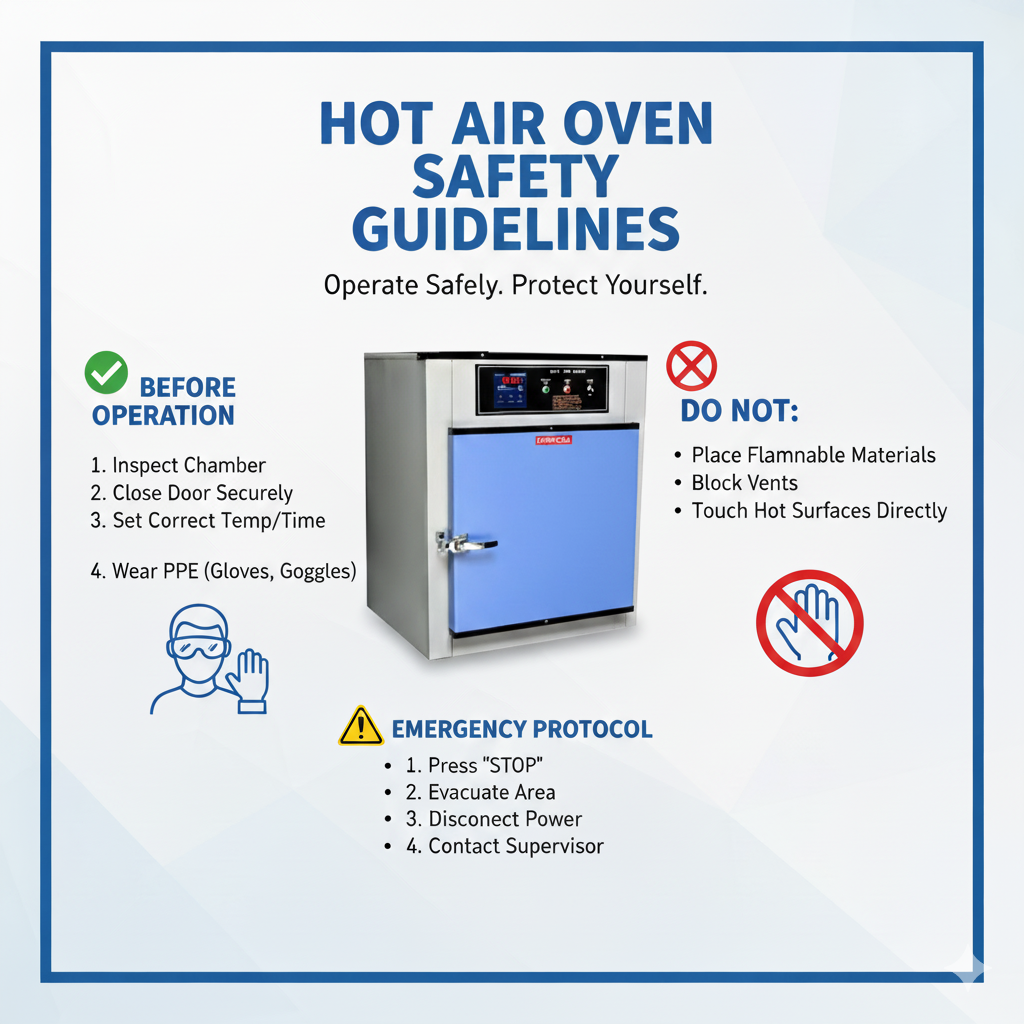
Every lab should have a clear Standard Operating Procedure for hot air ovens. Make sure everyone who uses the equipment is properly trained not just on regular use but also on what to do in case when emergencies arise.Visual tools like short presentations or posters near the oven can help to implement the key steps.
Keep Detailed Records
Always maintain a logbook for each cycle also noting the date its operator its materials and temperature settings. This simple habit ensures traceability, helps in audits and makes troubleshooting easier. Remember the real value of your oven goes beyond its price tag; it’s the reliability and documentation that support every successful run.
Conclusion
A hot air oven is one of the most reliable tools in any lab but only when handled with care and respect. The safety measures outlined here, from simple pre use checks to regular maintenance and proper training, are not barriers to efficiency In fact they are what make safe and efficient work possible.
By following these best practices, the oven becomes more than just a piece of equipment. It turns into a trusted partner which is safe, dependable and built to deliver accurate results every time. Building this culture of safety not only protects people but also extends the life and performance of your lab’s most essential tool.
Searching for a reliable HOT AIR OVEN that is both ISO 9001 and CE certified?
Explore the certified range from Bionics Scientific. Our HOT AIR OVEN are the go-to choice for labs where accuracy, excellent separation efficiency, and repeatable results are non-negotiable. Contact our experts at info@bionicsscientific.com or call +91 9111161955 | 9376651333.
HOT AIR OVEN VIDEO
Bionics Scientific (Kartal Projects Pvt Ltd) Reviews
Most Viewed Posts
- Hot Air Oven Temperature and Time: Sterilization Chart & Guide
- What is a pH Meter? Working Principle, Diagram, Types & Uses
- BOD Incubator Diagram: Working, Parts, Build and Applications
- Salt Spray Test Chamber: Complete Guide to ASTM B117 & ISO 9227 Corrosion Testing
- Laboratory Autoclave: Principle, Working, Types & Price in India