How to choose an autoclave is based on various parameters like materials to be sterilized, size of load, size of chamber, sterilization process, space, and intended use of the autoclave.
This article will discuss the selection process of an autoclave, different types of autoclaves, the working principle of steam autoclaves, and factors for selecting an appropriate autoclave.
What is Autoclave?
An autoclave is an apparatus or a sterilization machine which utilizes pressurized saturated steam for sterilizing equipment and compatible materials. Sterilization using steam is most common for loads which are resistant to both heat and moisture in laboratory settings, hospitals, research centers, and the pharmaceutical industry.
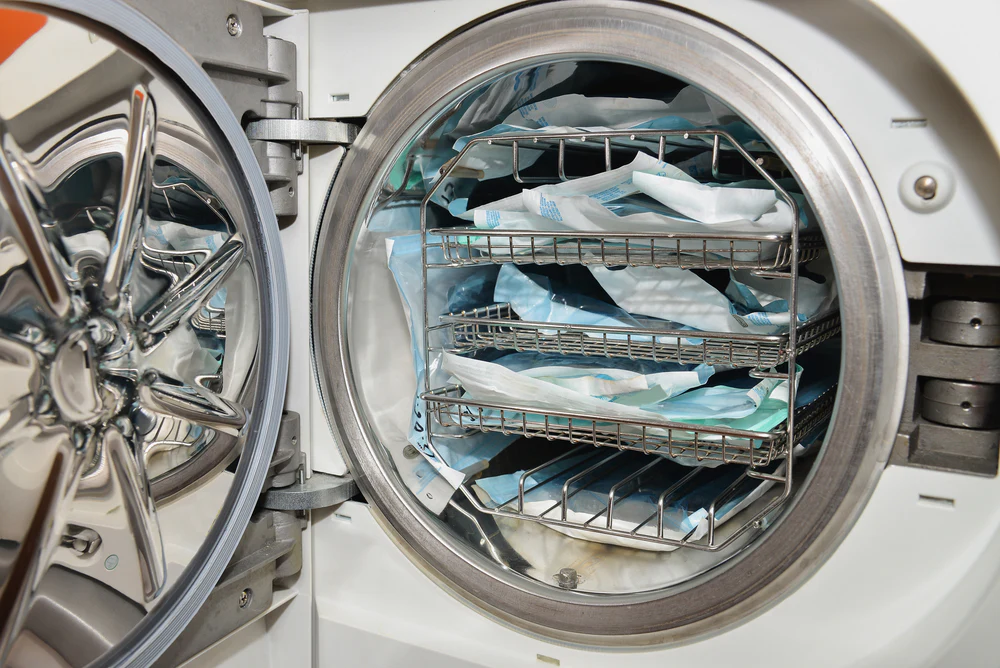
In an ordinary sterilization process, air is eliminated from the chamber or the vessel, steam is introduced into the chamber, and the load is sterilized by being exposed to certain sterilization parameters.
Autoclaves: Types and How to Select the Appropriate Type
Knowing the different designs is a key aspect of learning how to select the appropriate autoclave. Selection is based on such factors as workload, chamber size, space available for installation, and intended use, among other aspects.
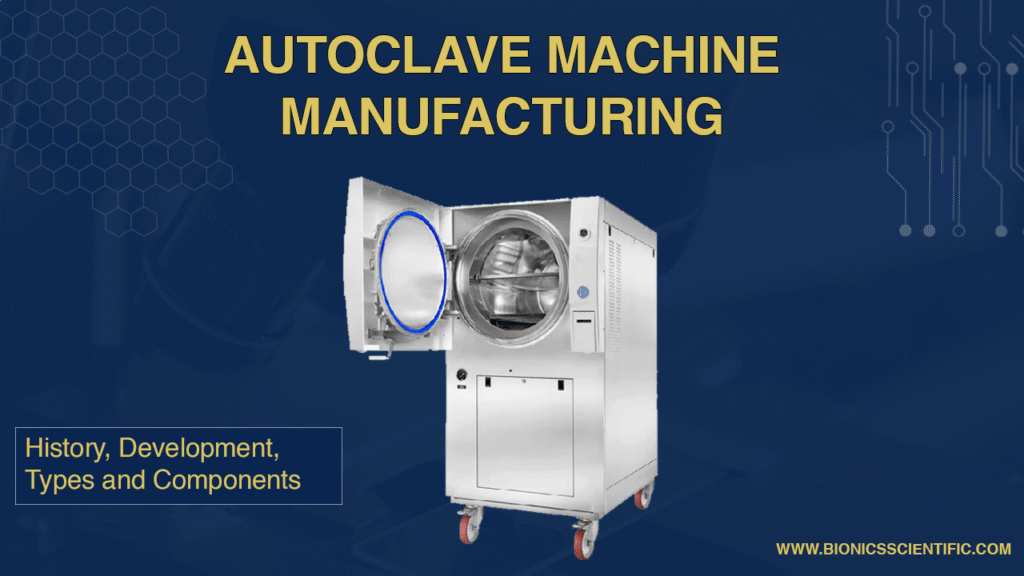
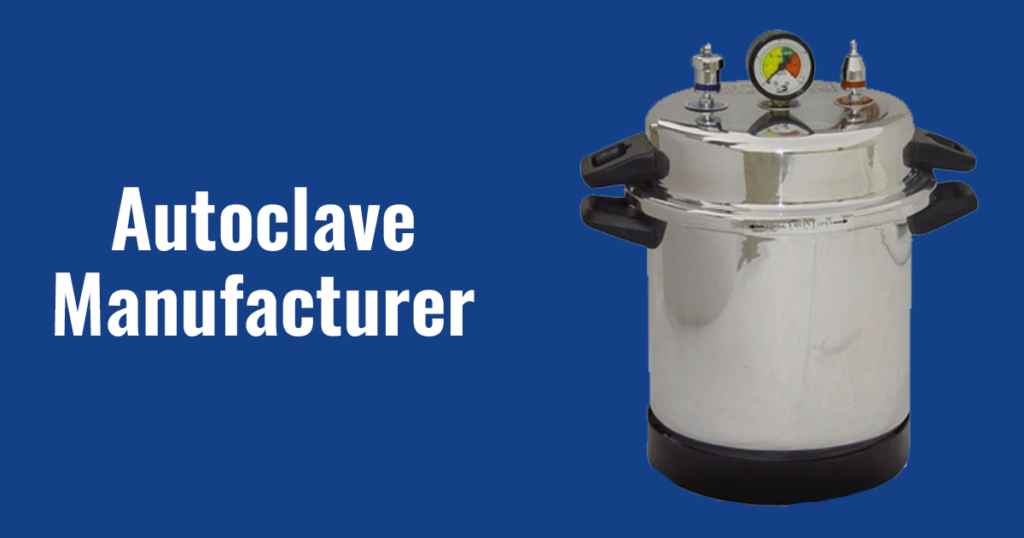
Vertical Autoclave: Vertical autoclaves have a top-loading design and can be used in the microbiology labs, research centers, quality control laboratories, and general labs. Horizontal Autoclave: Horizontal autoclaves have a front-loading design and are useful in handling large loads in hospitals, pharmaceutical industries, and research institutes. Portable Autoclave: This design refers to portable autoclaves that are small systems designed to handle small sterilization loads and can be suitable for small labs and clinics.
Front-Loading Autoclave: Front-loading autoclaves give easy access to the sterilization chamber and can be selected where small chamber sizes and front access are preferred.
Double-Door Autoclave: Double-door autoclaves are also referred to as pass-through autoclaves and feature different sides for loading and unloading operations, which can be necessary for controlled area work processes.
Pre-Vacuum Autoclave: Pre-vacuum autoclaves have a vacuum design that helps the steam reach compatible loads.
Components of Autoclaves
Autoclaves consist of several essential components, each contributing to their functionality and performance.
- Chamber: The chamber is the central compartment where materials undergo sterilization. It must be constructed from durable materials capable of withstanding high temperatures and pressures.
- Door Mechanism: The door mechanism ensures a tight seal during operation, preventing steam from escaping and maintaining pressure within the chamber.
- Control System: The control system regulates temperature, pressure, and cycle duration, allowing for precise sterilization.
How Autoclaves Work
Autoclaves operate on the principle of moist heat sterilization, wherein steam penetrates materials, effectively killing microorganisms through coagulation of proteins and denaturation of enzymes.
Loading the Autoclave:
- The materials or instruments to be sterilized are placed inside the autoclave chamber.
- Items must be arranged to allow steam to circulate freely, ensuring proper sterilization.
- Containers with lids are left slightly open to allow steam penetration.
Sealing the Chamber:
- Once loaded, the autoclave door is securely closed.
- Modern autoclaves have safety interlocks to ensure the door is sealed before starting the cycle
Removing Air from the Chamber:
- Air inside the autoclave is removed to allow steam to fill the space. This is done by:
- Gravity displacement: Steam pushes out the air through a vent at the bottom.
- Vacuum systems: A vacuum pump removes air, allowing steam to penetrate efficiently.
Heating and Pressurizing:
- Steam is introduced into the chamber and heated to a temperature of 121°C to 134°C (250°F to 273°F).
- Pressure is increased to around 15 to 30 psi (pounds per square inch) to maintain the high temperature.
- The combination of heat and pressure kills microorganisms, including bacteria, viruses, and spores.
Sterilization Phase (Holding Time):
- The sterilization process maintains the high temperature and pressure for a specific time, typically:
- 121°C for 15-30 minutes, or
- 134°C for 3-5 minutes (for faster sterilization).
- The exact time depends on the materials being sterilized.
For more information about steam sterilization principles, temperatures, pressure, and exposure times, refer to the CDC guidance on steam sterilization.
Cooling and Depressurizing:
- After sterilization, the chamber is slowly depressurized to prevent damage to the contents.
- The steam is vented, and the temperature decreases.
Drying Phase (Optional):
- For certain items, a drying cycle is included, which removes any residual moisture using vacuum or heat.
Unloading the Autoclave:
- Once the autoclave has cooled and pressure is fully released, the door can be safely opened.
- Sterilized items are carefully removed, often using gloves to avoid contamination or burns.
Safety Features and Maintenance:
- Safety Valves: To prevent over-pressurization.
- Interlocks: Prevent opening during operation.
- Regular Maintenance: Essential to ensure the autoclave functions efficiently and safely.
How to choose an autoclave
how to choose an autoclave depends on the type of materials being sterilized, load volume, chamber capacity, sterilization requirements, available installation space, and intended application. Consider the following factors before choosing an autoclave:
Type of Material to Be Sterilized: Identify whether the routine load includes laboratory glassware, instruments, culture media, liquids, textiles, or other steam-compatible materials.
Load Size and Frequency: Consider both the quantity of material sterilized per cycle and the number of cycles required each day. Higher workloads may require a larger chamber or higher-capacity system.
Chamber Capacity: Choose an autoclave chamber that accommodates routine loads while allowing adequate space for proper steam circulation.
Autoclave Configuration: Vertical autoclaves offer top-loading access and can be suitable where floor space is limited. Horizontal or front-loading autoclaves can be considered for larger or heavier loads, while double-door systems are designed for applications requiring separate loading and unloading sides.
Air Removal Method: Gravity-displacement autoclaves use steam to displace air from the chamber, whereas pre-vacuum systems actively remove air before steam exposure. The appropriate method depends on the sterilizer design and intended load.
Sterilization Cycle Requirements: Check the temperature, exposure time, pressure, and cycle requirements appropriate for the materials and application. Cycle parameters should follow the equipment instructions and validated sterilization procedure.
Installation Requirements: Check available space, electrical supply, water supply, drainage, ventilation, and access requirements before selecting the equipment.
Safety and Control Features: Evaluate required features such as temperature and pressure monitoring, safety valves, door interlocks, alarms, programmable controls, and cycle monitoring.
Application: Autoclave requirements can vary between microbiology laboratories, research facilities, pharmaceutical applications, healthcare facilities, and other controlled environments.
Quick Autoclave Selection Guide
| Requirement | Type to Consider |
|---|---|
| Small laboratory loads | Portable/Compact Autoclave |
| Top-loading laboratory use | Vertical Autoclave |
| Larger or heavier loads | Horizontal Autoclave |
| Front-access requirement | Front-Loading Autoclave |
| Controlled-area transfer | Double-Door/Pass-Through Autoclave |
| Applications requiring active air removal | Pre-Vacuum Autoclave |
Need help selecting the right autoclave?
Explore our complete range of Autoclave Sterilizers or submit your requirements for chamber capacity, load type, and application to get a suitable model recommendation and quotation.
Bionics Scientific Technologies (A Unit of Kartal Projects Pvt Ltd)
Known for its innovative designs and advanced features, Company Bionics Scientific offers a wide range of autoclaves suitable for medical, laboratory, and industrial applications.